Key facts
- The Trump administration finalized a 30-year civilian nuclear cooperation agreement with Saudi Arabia.
- The deal allows for uranium enrichment and processing of spent nuclear fuel.
- The agreement bypasses intrusive International Atomic Energy Agency (IAEA) inspections.
- The pact has raised concerns about nuclear proliferation.
- Israeli politicians have expressed alarm and condemned the deal.
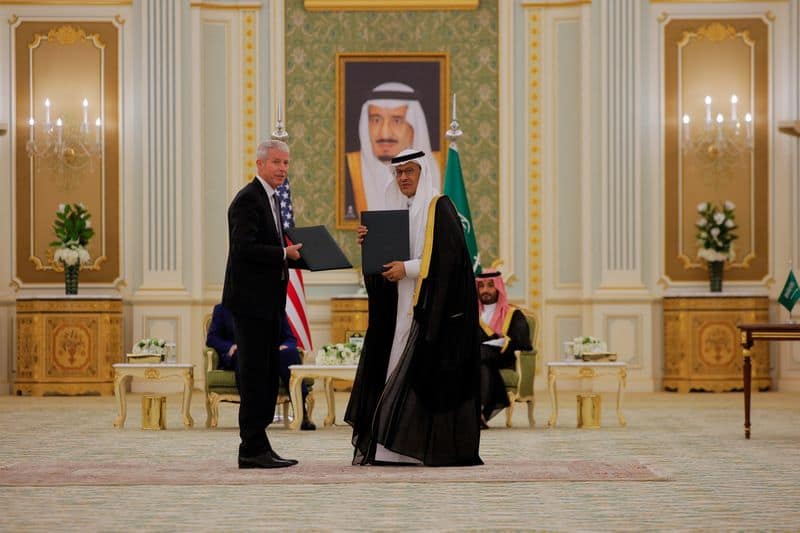
The Trump administration has finalized a 30-year civilian nuclear cooperation agreement with Saudi Arabia, a move that has drawn significant international concern over potential nuclear proliferation. The deal permits Saudi Arabia to enrich uranium and process spent nuclear fuel, activities that could be used for weapons development. Notably, the agreement reportedly bypasses intrusive inspections by the International Atomic Energy Agency (IAEA).
This development marks a policy shift and has been met with alarm from Israeli politicians, who have condemned the deal and called it a failure of leadership. Despite these concerns, President Trump approved and signed the pact, with the administration intending to submit it to Congress. A US official, Marco Rubio, stated that the agreement would not lead to proliferation, though the specifics of the safeguards remain a point of contention.
The agreement includes a bilateral safeguards deal alongside the nuclear cooperation framework. The potential for Saudi Arabia to develop nuclear capabilities without stringent international oversight has fueled worries about regional stability and the global non-proliferation regime.