Key facts
- Trump-funded ads continued airing after a judge blocked them on October 11, 2026.
- US District Judge Jennifer Rochon found the ads likely violate a US law against government-funded propaganda.
- The ads were part of a $20 million purchase order by US Customs and Border Protection.
- A US attorney apologized to the court for the ads airing past the deadline.
- The government has now stopped running the ads.
- Judge Rochon scheduled a hearing for Wednesday to discuss compliance.
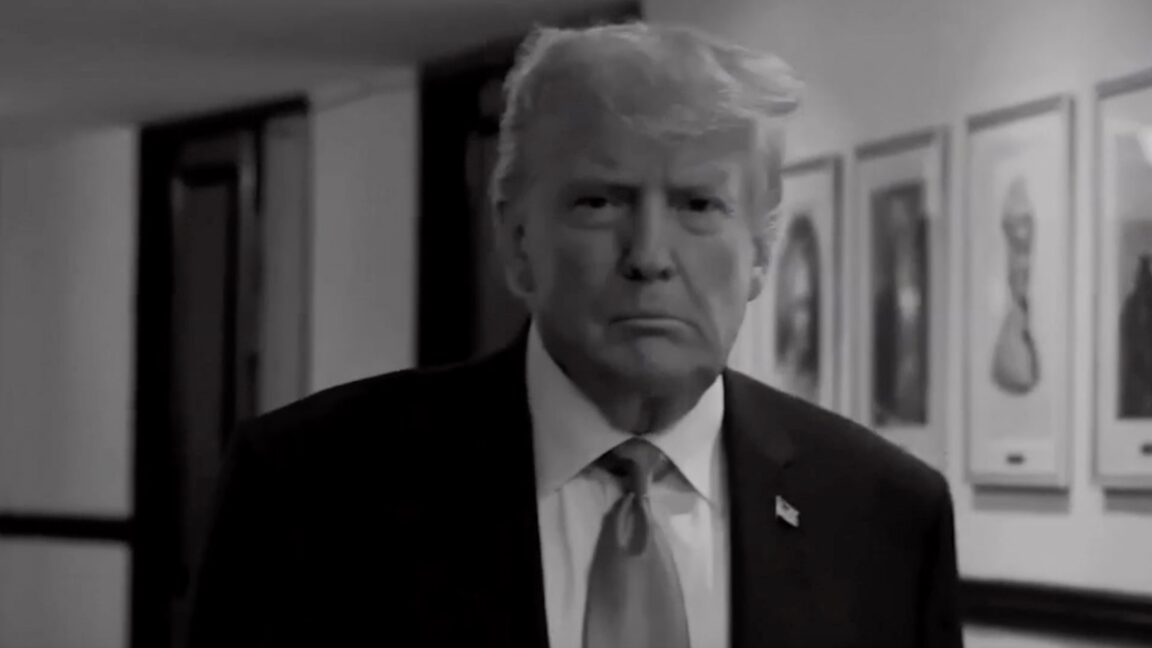
Taxpayer-funded advertisements featuring Donald Trump continued to air on television the day after a judge blocked them, with a US attorney apologizing to the court and stating the government has now stopped running the ads. US District Judge Jennifer Rochon issued a temporary restraining order on Sunday, October 11, 2026, at 6:45 p.m., blocking the ads because they likely violate a US law against government-funded publicity or propaganda. The order stated that the government must cancel the ads, including those scheduled for the evening of October 11. Despite the Trump administration having told the court on October 10 that advertising purchases were set to expire on October 11 and would not be renewed, the ads continued airing on the night of October 11 and into October 12. The ads were part of a $20 million purchase order made by US Customs and Border Protection with LMD Agency on September 20. The Department of Homeland Security informed the court that ad placements through October 11 cost $19 million. The Washington Post reported that the ads ran nearly 400 times after the restraining order took effect, including 32 times on Monday, October 12, according to AdImpact data cited by plaintiffs. Nonprofit advocacy group Common Cause and other groups that sued the government submitted a filing notifying the court of the noncompliance. US Attorney Jamie McDonald filed a status report yesterday, apologizing for the delay in becoming aware of the TRO and confirming that the government is now complying with the order. Judge Rochon found that the plaintiffs are likely to succeed in their claim that the Trump administration violated the 2026 Consolidated Appropriations Act, which prohibits using funds for "publicity or propaganda purposes within the United States not heretofore authorized by Congress." She noted that the advertisements are "purely partisan and unconnected to DHS’s official functions." One ad, nearly identical to one used in Trump's 2024 campaign, featured him promising to "demolish the deep state" and "rout the fake news media." Rochon scheduled a hearing for Wednesday to discuss the matter further.