Key facts
- Plans to protect views of the Tower of London could cost the economy £1.2bn in lost economic output.
Plans to protect views of the Tower of London could cost the UK economy £1.2bn in lost economic output, the City of London Corporation has warned. Historic England is pushing for unobstructed views, which the Corporation fears would prevent new skyscraper developments.
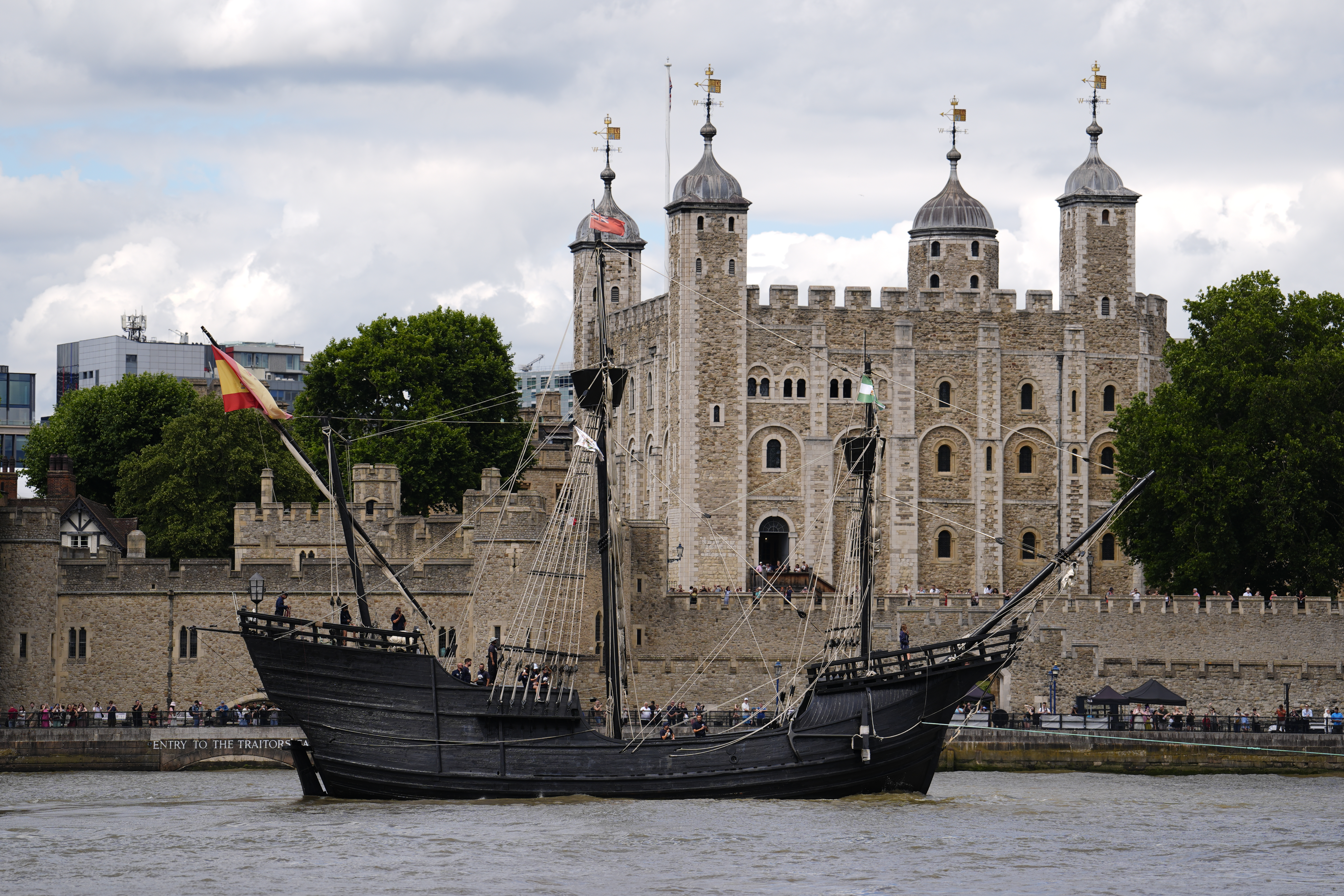
The dispute highlights a conflict between preserving historical heritage and fostering economic growth through urban development, with significant financial and employment implications for London's financial district.
Plans to preserve the visual integrity of the Tower of London are projected to cost the UK economy £1.2bn in lost economic output, according to the City of London Corporation. Historic England, the government's heritage advisory body, is advocating for a clear line of sight between the historic prison and the cluster of modern skyscrapers in the City's financial district.
Tom Sleigh, chairman of the City of London Corporation's planning committee, stated that these construction restrictions could effectively "sterilize" the area's economic potential. The Corporation's own planning policies, approved last year, are now under further review by housing minister Matthew Pennycook due to concerns about the Tower of London's UNESCO World Heritage status.
A planning inspector is currently evaluating an alternative proposal from Historic England, which suggests that new buildings should be designed to "lean away" from the heritage site. However, the City Corporation argues that such limitations, particularly on the valuable upper floors of buildings, would eliminate profit margins for developers, making new projects financially unviable.
Sleigh estimates that Historic England's approach could lead to the cancellation of up to 20 skyscraper projects in the eastern City, resulting in the loss of 1 million square feet of office space, approximately 6,800 jobs, and the aforementioned £1.2bn in economic output. He emphasized the importance of the City's economic contribution, especially during a period of national economic urgency, and questioned why these areas should be hindered from growth.
The Corporation also expressed concern that stricter regulations on office space could undermine London's ability to attract global companies seeking European headquarters, potentially driving them to competing cities. Sleigh noted that many high-rise buildings are already concentrated on the eastern edge of the City due to existing requirements to preserve views of St. Paul's Cathedral.
In its submission to a planning hearing, the City of London Corporation reiterated that buildings near the Tower should have a "clearly defined edge" to ensure unobstructed views. They contend that Historic England's proposal would "significantly and demonstrably" reduce the City's capacity for commercial growth by removing valuable floorspace from its most productive areas.
A spokesperson for Historic England stated that they are eager to collaborate on solutions that would mitigate potential harm to the Tower of London World Heritage site while still supporting significant economic growth. They believe that minimizing potential harm is crucial for the site's conservation and for preventing its potential inclusion on the list of World Heritage in Danger.
Pick the topics you care about. Get only what matters, on your cadence.