Key facts
- Thailand has tightened security in its southern provinces after a surge in suspected insurgent attacks.
- The coordinated attacks on Saturday struck approximately 50 locations, marking the worst outbreak in over a decade.
- The insurgency in southern Thailand has been ongoing since January 2004 and has resulted in thousands of deaths.
- Recent incidents indicate an increase in the coordination and visibility of attacks.
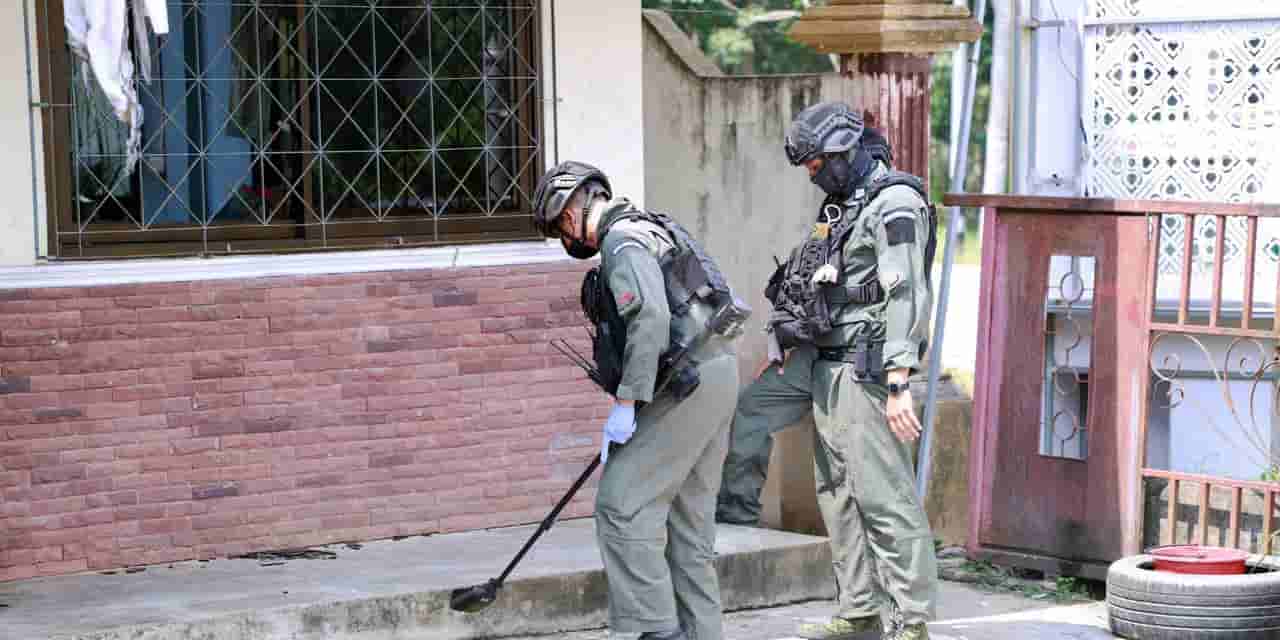
Thailand has significantly increased security across its southern border provinces following a wave of coordinated attacks that struck approximately 50 locations beginning Saturday. This surge in violence is the most severe in over a decade and highlights the persistent, low-level insurgency by Muslim separatists in the region.
The conflict, which has claimed thousands of lives over the past two decades, has roots in historical grievances dating back to the early 1900s when the region, formerly part of the Malay-Muslim Patani sultanate, was annexed by Siam (now Thailand). Militant groups, notably the Barisan Revolusi Nasional (BRN), have been fighting for an independent Islamic nation since the 1960s.
The current phase of unrest escalated in January 2004 with an attack on an army base. A subsequent crackdown by security forces in October 2004, known as the "Tak Bai massacre," where 78 detainees died after being stacked in military trucks, is widely seen as a major trigger for the ongoing violence. Since 2004, an estimated 7,000 people have been killed.
While daily or weekly incidents are common, analysts note that the recent attacks are remarkable for their scale and coordination. The Thai government had previously warned of a "terrorist network" aiming to instill fear and target state officials. Peace talks between the Thai government and insurgent groups have stalled, contributing to the renewed fury.