Key facts
- Taiwan has indicted nine individuals for illegally exporting advanced AI servers to China.
- The indicted individuals include employees from Nvidia and Supermicro.
- The scheme allegedly involved forging documents to cover up the illegal exports.
- The exports violated U.S. export controls aimed at limiting China's AI capabilities.
- Seventy-four servers were exported to China, while 56 were intercepted by Taiwanese customs.
Taiwan has indicted nine individuals, including employees from Nvidia and Supermicro, for allegedly orchestrating a scheme to illegally export high-end AI servers to China. Prosecutors stated the suspects forged documents to conceal the exports, which violate U.S. export controls designed to curb China's advancements in artificial intelligence.
According to reports, the scheme involved attempting to disguise the shipment of 130 B300 servers, with 74 ultimately being delivered to Chinese customers and 56 intercepted by Taiwanese customs officials. One suspect linked to a related case is also accused of siphoning funds from a distributor company involved in facilitating access to restricted Nvidia chips.
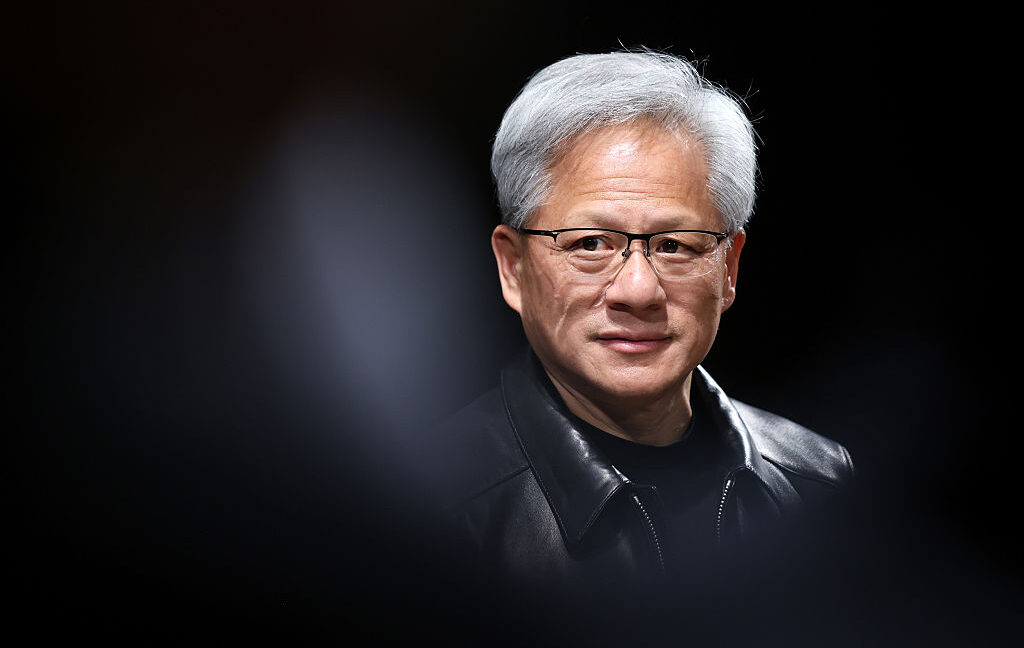
Nvidia CEO Jensen Huang had previously expressed criticism of Supermicro's compliance program, urging improvements to prevent such illicit activities. Supermicro has stated it is cooperating with Taiwanese authorities and is not a target of the investigation, emphasizing its commitment to export compliance.
In parallel, U.S. lawmakers are considering the Remote Access Security Act (RASA), which would extend export controls to cover remote cloud-based access to critical hardware and software, aiming to close loopholes that could allow China continued access to advanced AI capabilities.