Key facts
- Swiss voters rejected a proposal to cap the nation's population at 10 million by 2050.
- Approximately 55% of voters opposed the population cap initiative.
- The referendum result preserves the free movement of people agreement between Switzerland and the European Union.
- Older voters and city dwellers were instrumental in defeating the proposal.
- The Swiss People's Party proposed the initiative, citing concerns about overcrowding and public services.
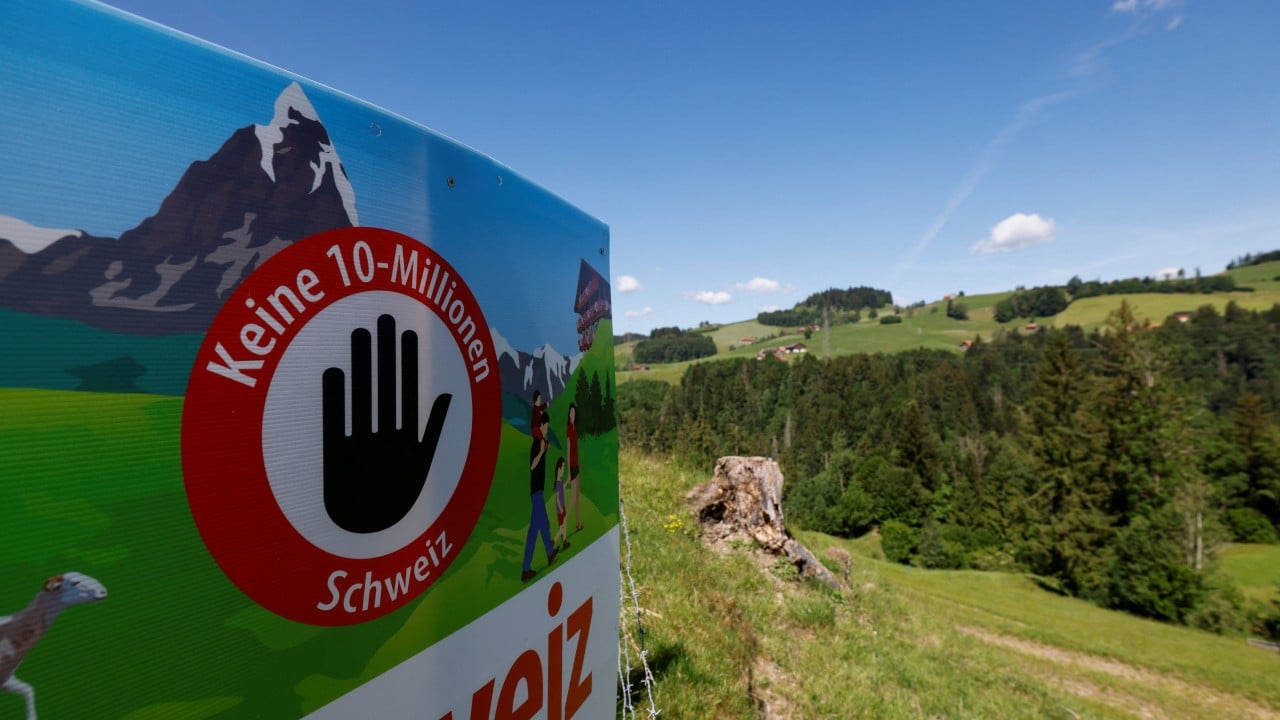
Swiss voters on Sunday rejected a proposal to cap the nation's population at 10 million by 2050, with preliminary results showing approximately 55% voting against the initiative championed by the right-wing Swiss People's Party (SVP). The SVP argued the cap would alleviate pressure on public services and the environment, but opponents, including the government and business groups, warned it would damage economic stability and sever crucial ties with the European Union.
The referendum result preserves the free movement of people agreement between Switzerland and the EU, its main trading partner, which is vital for the economy and the recruitment of workers. The proposal would have obliged the Swiss government to limit the population, currently 9.1 million, to 10 million by 2050, enacting tough restrictions on immigration if the number reached 9.5 million before that date. Exceeding 10 million before 2050 would have obliged Switzerland to withdraw from its free movement agreement with the EU.
Polling data indicated that older voters (65 and above) were most skeptical of the proposal, with 60% against it, while voters aged 35 to 49 were most in favor. Political scientist Cloe Jans noted that while the aims of the proposal had support, the public did not want rigid legal limits, especially in uncertain geopolitical times. The biggest cities decisively rejected the proposal, which drew its strongest support from rural, conservative cantons.