Key facts
- The Supreme Court ruled 6-3 that a Rastafarian man cannot sue prison guards for monetary damages.
- The lawsuit concerned the forced cutting of a Rastafarian inmate's dreadlocks in violation of his religious beliefs.
- The Religious Land Use and Institutionalized Persons Act of 2000 was at issue.
- The court held that the Act does not permit lawsuits for monetary damages against individuals who violate inmates' religious rights.
- The Justice Department, part of the Trump administration, supported the inmate's right to sue.
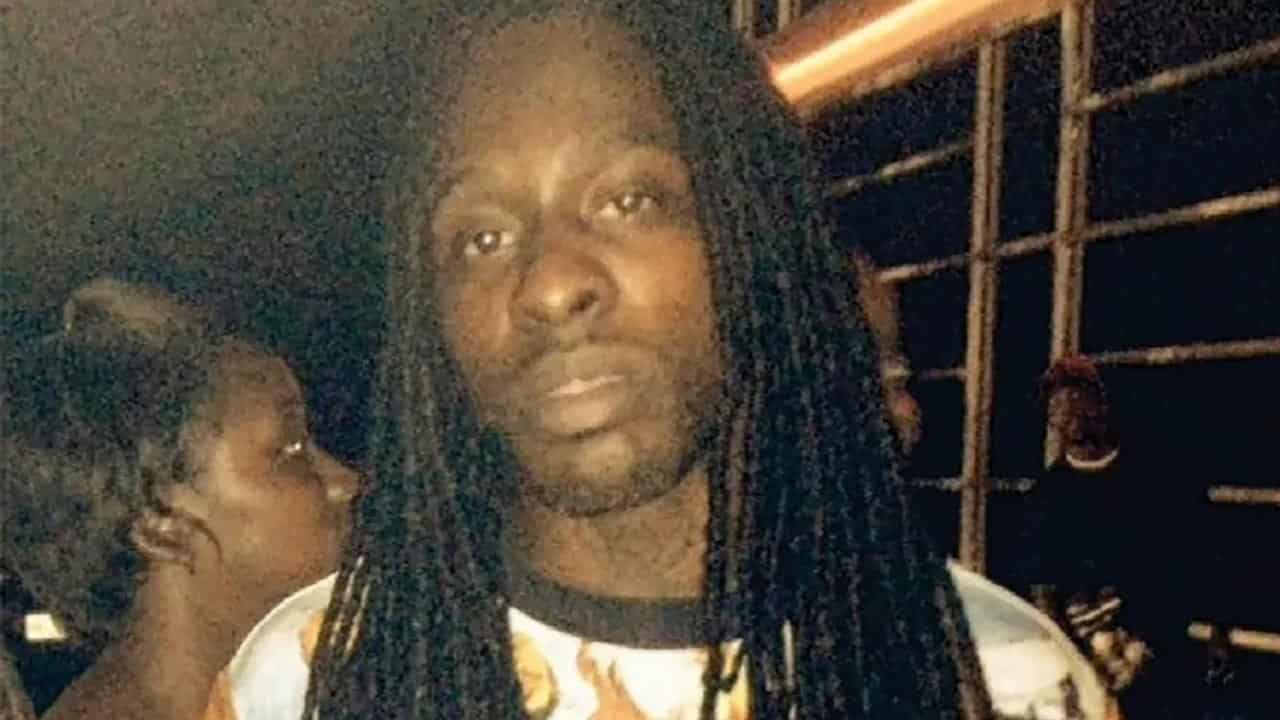
The U.S. Supreme Court has barred a former Louisiana inmate, Damon Landor, from suing prison officials who cut off his dreadlocks in violation of his Rastafari religious beliefs. In a 6-3 decision, the court's conservative majority upheld lower court rulings, stating that the Religious Land Use and Institutionalized Persons Act of 2000 does not permit lawsuits for monetary damages, even when religious rights are violated. Landor was forcibly shaved bald at the Raymond Laborde Correctional Center. He argued that the act violated his religious rights as a Rastafarian. The court's opinion, written by Justice Neil Gorsuch, stated that RLUPIA does not allow for legal challenges against individual officials. Landor said his dreadlocks are "a part of me and part of who I am." Growing uncut, uncombed hair into dreadlocks is a symbol of devotion and spiritual growth for Rastafarians. The Justice Department had urged the Supreme Court to revive Landor's case, a stance that contrasted with the Trump administration's position in a similar 2020 case. Louisiana has since amended its prison grooming policy to prevent similar incidents.