Key facts
- The justices turned away an appeal by Roberto Clemente's three sons after lower courts rejected their claims against Puerto Rico.
- The sons' suit claimed Puerto Rico's use of the likeness generated $15 million for the territory.
- The suit sought $45 million in damages and $3.15 million in compensation for trademark infringement.
- Puerto Rico issued the Clemente plates and registration tags in 2022 without the sons' permission; the program stopped at the end of that year.
- The sons argued the 1st Circuit wrongly held the Fifth Amendment does not automatically apply to intangible property like trademarks.
- Puerto Rico said the Fifth Amendment argument overstates the breadth of the 1st Circuit's decision.
The US Supreme Court declined on Monday to hear a challenge by Roberto Clemente's sons to Puerto Rico's use of the baseball great's image on commemorative license plates and vehicle registration tags, which they alleged violates constitutional protections against government taking of trademark rights. The justices turned away an appeal by the three sons after lower courts rejected their claims against the Caribbean US territory.
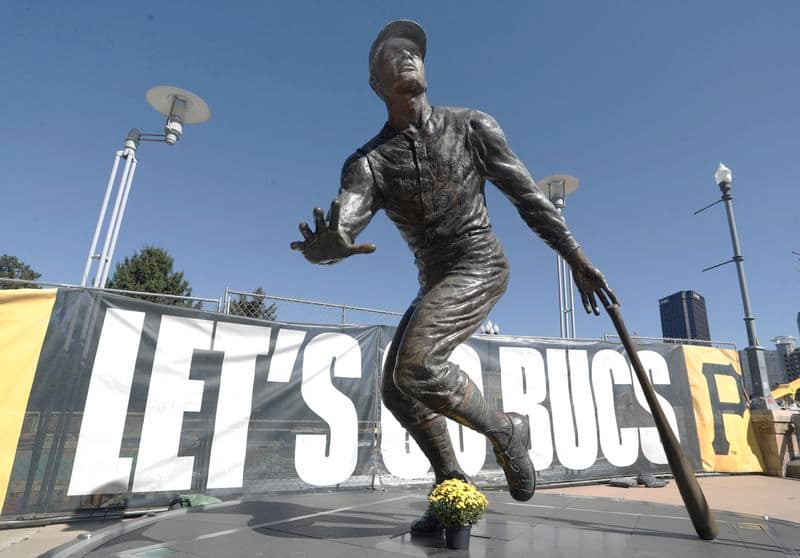
Clemente, a Puerto Rico native, played for Major League Baseball's Pittsburgh Pirates for 18 seasons from 1955 to 1972. He was a 15-time All-Star right fielder and two-time World Series champion, and was inducted into the Baseball Hall of Fame. He died at age 38 in a 1972 airplane crash while delivering humanitarian aid to earthquake victims in Nicaragua.
The lawsuit was filed against Puerto Rico's government by Roberto Clemente Jr, Luis Roberto Clemente and Roberto Enrique Clemente and two companies they own that they said protect the Roberto Clemente trademark, safeguard his legacy and promote his philanthropy. The suit, which claimed the use of the likeness generated $15 million for Puerto Rico, sought to block any use of their father's likeness on license plates and tags and to obtain $45 million in damages and $3.15 million in compensation for trademark infringement.
Puerto Rico in 2022 issued commemorative license plates and vehicle registration tags with Clemente's image without the permission of his sons, and the program stopped at the end of that year. The sons sued in the territory's federal court, alleging it appropriated his trademark rights in violation of the Fifth Amendment's prohibition against government takings of private property.
San Juan-based US District Judge Gina Mendez-Miro dismissed the case, and the Boston-based 1st US Circuit Court of Appeals partially affirmed the dismissal, rejecting the claim that Puerto Rico's use of the trademarks was an unconstitutional government taking.
In a filing to the Supreme Court, lawyers for the sons told the justices that the lower courts improperly concluded that the Fifth Amendment does not automatically apply to intangible property like trademarks, as opposed to tangible property like land. They wrote that, left unanswered, the 1st Circuit's ruling would invite government to take trademarks on demand, checked only by a multi-factor balancing test that allows government to destroy much in value and pay nothing in return.
Puerto Rico said in a filing that the Fifth Amendment argument overstates the breadth of the 1st Circuit's decision. It said the 1st Circuit did not hold that intangible property is categorically excluded from automatic Fifth Amendment protection, and that the court resolved the issues by applying existing precedent to the facts of the case.