Sumitomo Chemical to mass-produce solid-state battery material for EVs
IN SHORT
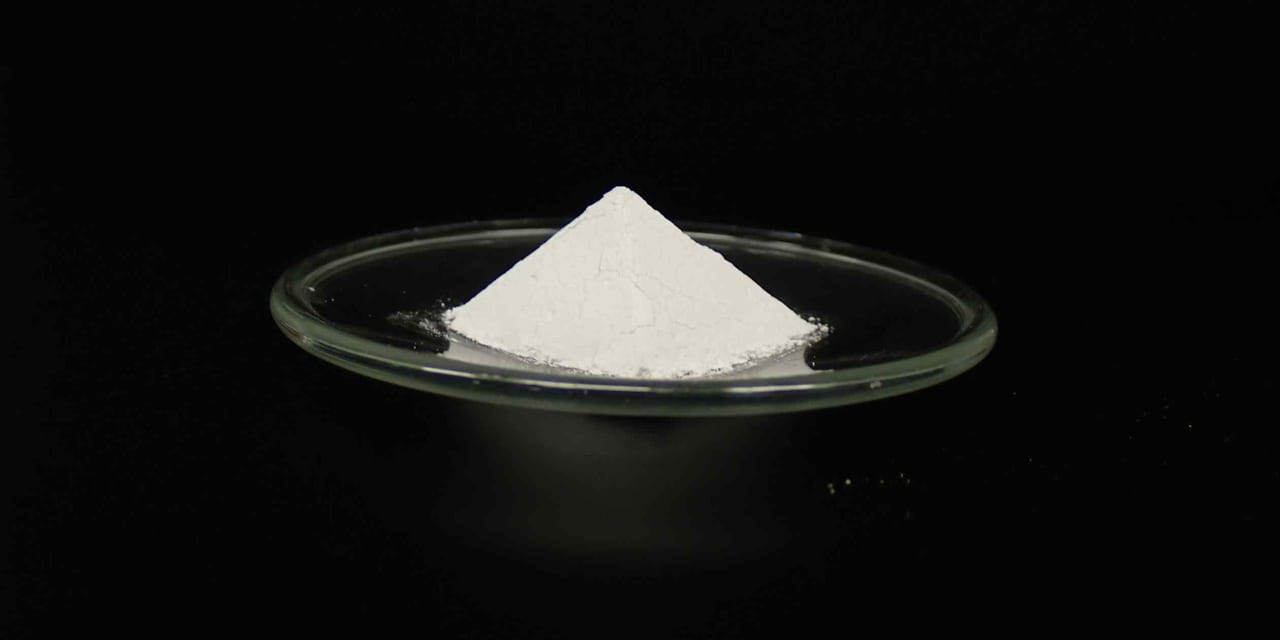
Sumitomo Chemical plans to begin mass production of a new halide-based solid electrolyte material for electric vehicle batteries. The material is expected to offer performance comparable to current mainstream materials at a lower cost and with easier handling.
Key Numbers
2027-28Toyota's target launch for BEVs with all-solid-state batteries
2021Year Sumitomo Metal Mining and Toyota began joint research on cathode materials
20 yearsSumitomo Metal Mining's experience supplying cathode materials for EVs
Who's Involved
Sumitomo Chemical
Plans to mass-produce new solid-state battery electrolyte material
Sumitomo Metal Mining Co., Ltd.
Collaborating with Toyota on mass production of cathode materials for all-solid-state batteries
Toyota Motor Corporation
Collaborating with Sumitomo Metal Mining on cathode materials and aiming for 2027-28 BEV launch with all-solid-state batteries
↳ Why This Matters
The advancements in solid-state battery materials by Sumitomo Chemical, Sumitomo Metal Mining, and Toyota are crucial for the future of electric vehicles, promising enhanced performance, safety, and potentially lower costs, which could accelerate EV adoption and contribute to a carbon-neutral society.