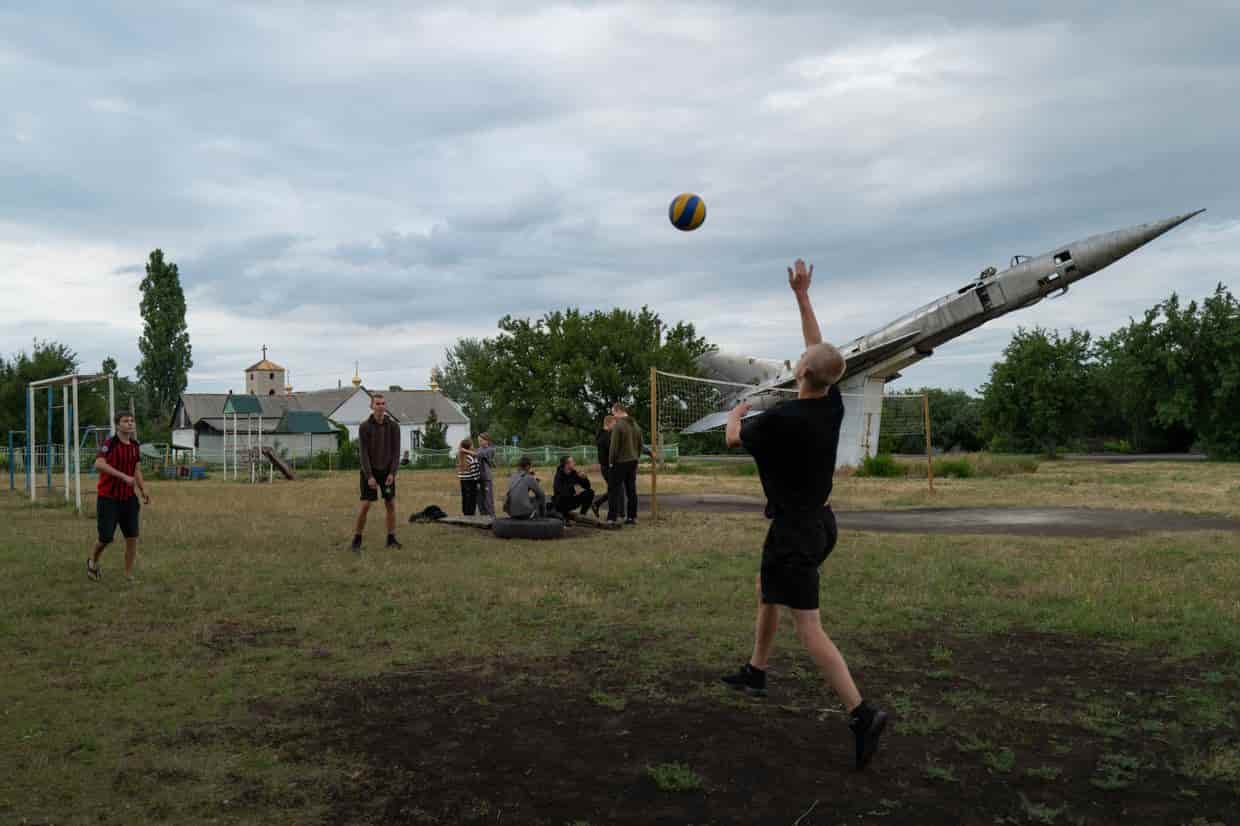
Key facts
- The number of schoolchildren in Ukraine has fallen by 600,000 since 2021, the study found.
- Attendance at extracurricular activities dropped by 16.5%, according to the study.
- Russia's aggression has destroyed 235 high school educational facilities, the study revealed.
- Only 35.7% of extracurricular facilities have their own shelter, the study found.
- 80.3% of teenagers plan to continue their education beyond high school, with 39.7% wishing to obtain a master's degree.
- Of those seeking a master's degree, 71.7% want to do so in Ukraine, the study found.
A study by the Olena Zelenska Foundation, established by Ukraine's first lady, found that around 358,000 Ukrainian teenagers were living in Europe under temporary protection status as of June 2026. The findings were presented in Kyiv on November 25, 2026.
The research surveyed 4,050 teenagers aged 12 to 17 and 3,176 parents and legal guardians across Ukraine, excluding territories under Russian occupation. Fieldwork was conducted between June and August 2026. The study found that 22.7% of surveyed 15- to 17-year-olds wanted to live abroad permanently, compared with 14.3% of their parents. Among teenagers who wanted to pursue education abroad, 77.3% said they saw more opportunities outside Ukraine, while 62.2% considered an international diploma more valuable and believed it would offer better career prospects.
The study also reported that the number of schoolchildren in Ukraine has fallen by 600,000 since 2021, and attendance at extracurricular activities has dropped by 16.5%. Russia's aggression has destroyed 235 high school educational facilities, it found, and only 35.7% of extracurricular facilities have their own shelter.
Despite the difficulties, 80.3% of teenagers plan to continue their education beyond high school, with 39.7% wishing to obtain a master's degree. Of those, 71.7% want to do so in Ukraine.
The study revealed geographical and accessibility inequalities. Only 12.5% of settlements across the country have facilities for extracurricular activities, and teenagers considered internally displaced persons were 26% less likely to attend extracurricular activities. Across the country, 53.7% of extracurricular facilities are suitable for those with special educational and mobility needs on the first floor, compared with 1% on second and third floors.