Key facts
- Sceye's platform can operate at 60,000 feet, above air traffic and jet streams.
- The platform uses solar panels and batteries for 24/7 operation.
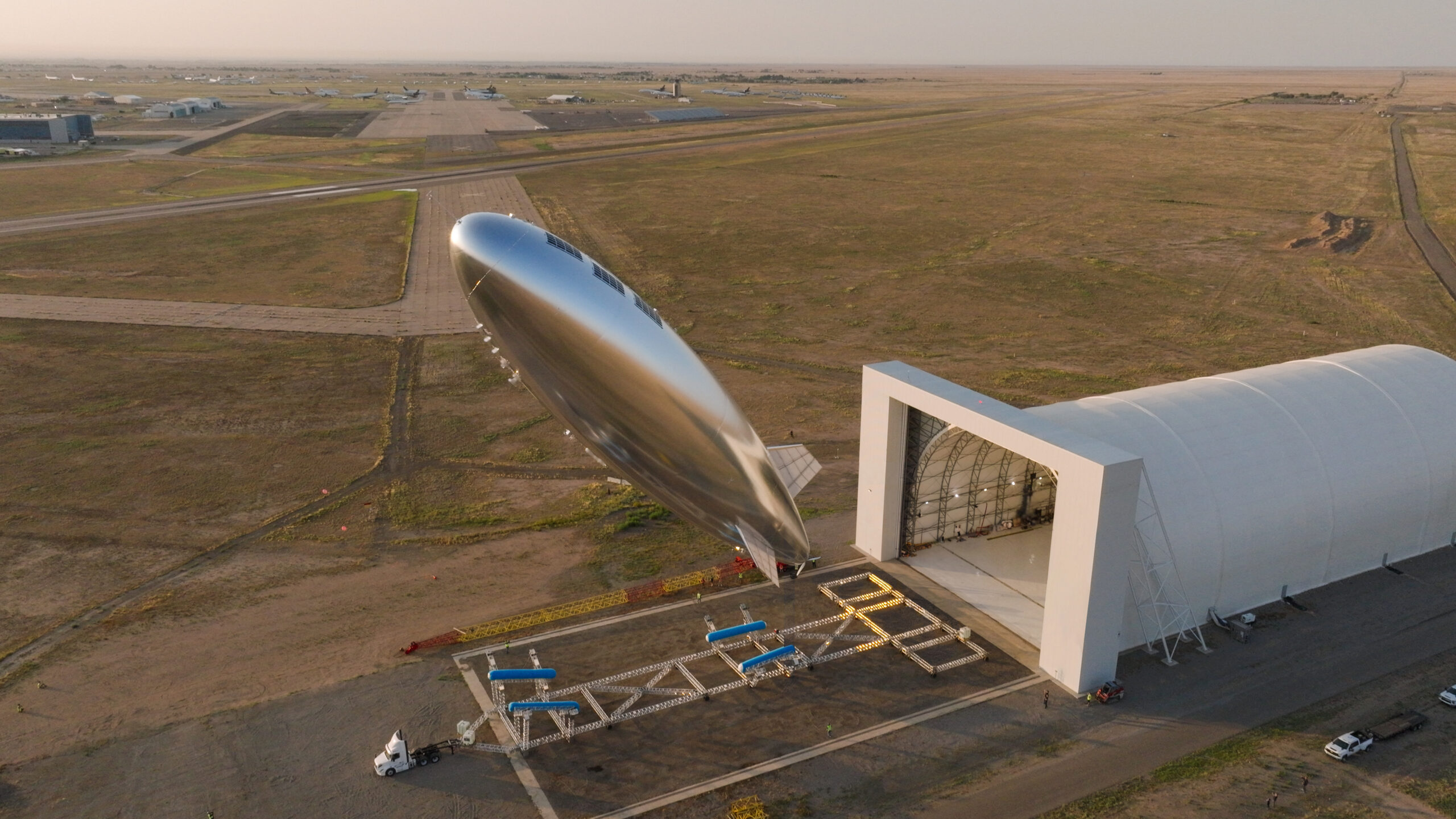
- The latest version of the platform is 270 feet (83 meters) long.
- The platform can carry payloads up to 551 pounds (250 kilograms).
- The platform can provide mobile broadband coverage equivalent to 500 ground towers.
- The trans-Pacific flight lasted over a month, including the return journey.
Sceye, a US aerospace company, successfully completed a month-long round-trip flight of its high-altitude platform system (HAPS) from New Mexico to Japan and back between August and September 2026. The uncrewed, helium-filled airship, measuring 270 feet (83 meters) long, operated at an altitude of approximately 60,000 feet, twice the height of air traffic and above the jet stream. This flight demonstrated the platform's capability to act as a stratospheric cell tower, providing mobile broadband service.
During the mission, the platform traveled over 9,320 miles (15,000 kilometers) across the Pacific, navigating through typhoon season. In Japan, in partnership with SoftBank Corp, Sceye simulated providing backup mobile coverage by disabling existing cellular service and backfilling it with the HAPS. Tests included voice calls, text messaging, web browsing, video streaming, and support for emergency alert systems. The platform is powered by solar panels and batteries, enabling it to stay over an operational area for extended periods.