Key facts
- Storms and bad weather delayed loading of more than 10 oil tankers at Russia's Baltic Sea ports, traders and sources told Reuters.
- Ukrainian drone attacks played a much larger role than usual in loading and shipping disruptions at Russian Baltic and Black Sea export terminals.
- A Ukrainian drone attack hit the Ust-Luga commodity export hub on the Baltic Sea about two weeks before November 23, 2026.
- Storms delayed oil tanker loadings at Novorossiysk in recent days on top of constrained operations from frequent drone alerts, trade sources said.
- Traders said the delays could push up shipping rates for Urals crude to Asia as fewer cargoes left Russian ports.
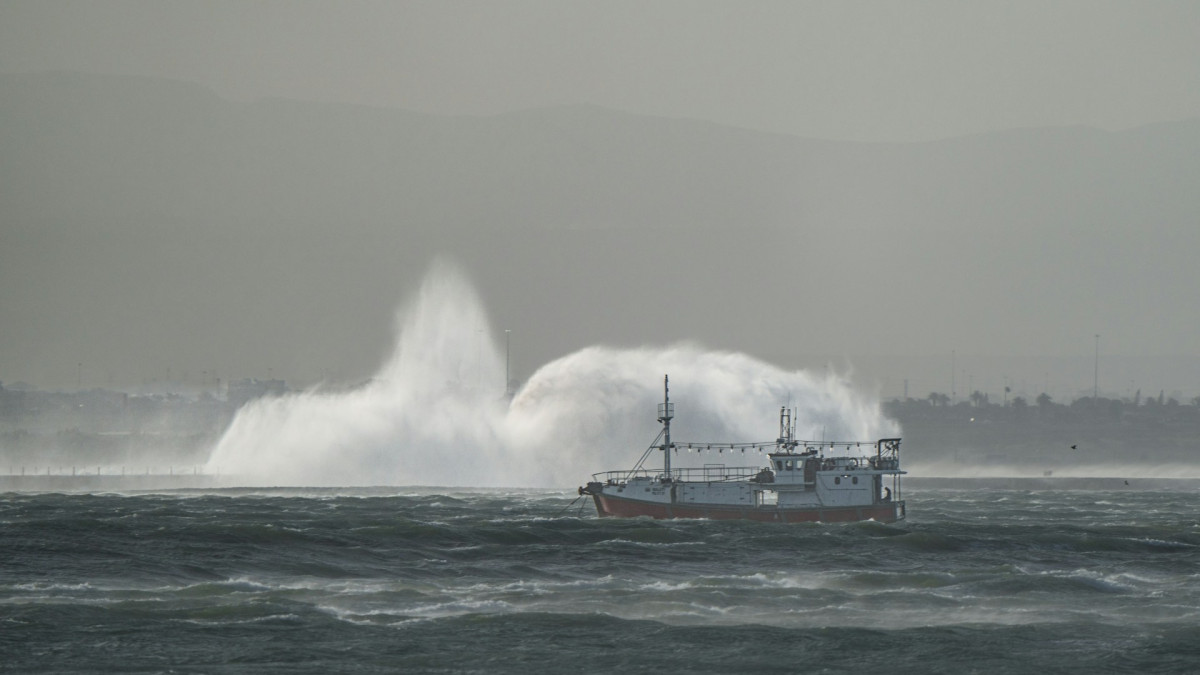
Storms and bad weather have delayed the loading of more than 10 oil tankers at Russia's key Baltic Sea ports, traders and sources with knowledge of the schedules told Reuters on November 23, 2026. The storms are typical for the time of year, but Ukrainian attacks have played a much larger role than usual in loading and shipping disruptions at Russian oil export terminals in the Baltic Sea and the Black Sea.
About two weeks before November 23, a Ukrainian drone attack hit Ust-Luga, the top Russian port for exports of oil and other commodities from the Baltic Sea. The port has been targeted multiple times by Ukraine, which has intensified a campaign against Russian refineries and oil export infrastructure. The strikes continued as Russia and Ukraine traded attacks on each other's energy infrastructure during U.S.-mediated talks in Abu Dhabi that did not deliver progress, according to the report.
At Novorossiysk on the Black Sea, storms also caused delays to oil tanker loadings in the days before November 23, on top of already constrained operations due to frequent drone alerts, trade sources told Reuters. Storms were still disrupting loadings at the terminal going into the new week.
As of November 23, bad weather was abating and storms were easing in the Baltic Sea, where operations at Russia's oil export terminals could resume in the coming days, according to Reuters' sources. Traders said the delays could push up shipping rates for Russia's flagship Urals crude to Asia, as fewer cargoes have been able to leave Russian ports in recent weeks and fewer still would leave the Baltic ports in winter, when ice-breaker-class tankers are needed.