Key facts
- A landmark trial is underway where states accuse Meta Platforms of designing addictive social media platforms and misleading the public about their safety for young users.
- Former Meta engineer Arturo Bejar testified that the company ignored internal research on the harms its platforms cause to children and teens.
- States allege Meta's platforms fuel anxiety, depression, and suicide among young users and that the company violated child privacy laws.
- Meta denies the allegations, asserting its commitment to protecting teen users and questioning the scope of Bejar's testimony.
Opening statements have commenced in a significant trial where numerous U.S. states are collectively suing Meta Platforms, alleging that the company misled the public regarding the safety of its platforms, Instagram and Facebook, for young users and violated child privacy laws. A key dispute resolved before the trial was whether the states could present their claims together. The states advocated for a single trial to showcase company-wide decisions and seek nationwide changes, while Meta argued for separate trials due to differing state laws and potential for jury confusion.
Ultimately, U.S. District Judge Yvonne Gonzalez Rogers opted for a hybrid approach. Colorado, California, Kentucky, and New Jersey will present their state law claims jointly, with all states' federal law claims also included. Although the judge will make the final ruling, an advisory jury has been appointed whose findings may guide her decision. The trial's outcome could influence how remaining state claims are resolved, reshape Meta's platform operations, and potentially result in billions of dollars in penalties.
Legal experts noted that a coalition of states pooling resources enhances their bargaining power and credibility against a well-resourced company like Meta, drawing parallels to past strategies used against the tobacco and opioid industries. Prentiss Cox, a law professor, stated that such unity presents a strong projection to a jury. The states' lawsuit, filed in 2023, stems from an investigation into the impact of Instagram and Facebook on young users, alleging Meta knowingly designed addictive features while assuring the public of platform safety, thereby violating state consumer protection laws. Many states are also suing under the Children's Online Privacy Protection Act for alleged failure to obtain parental consent before collecting personal data from young users.
Meta has contested the allegations, calling them unsubstantiated and asserting its commitment to protecting teen users. A company spokesperson stated that the states have not proven any individuals in their states were misled and are pursuing an "outlandish payout" rather than adhering to facts or law. Kentucky Attorney General Russell Coleman characterized the case as the largest consumer protection lawsuit in American history, drawing comparisons to successful actions against the tobacco and opioid industries.
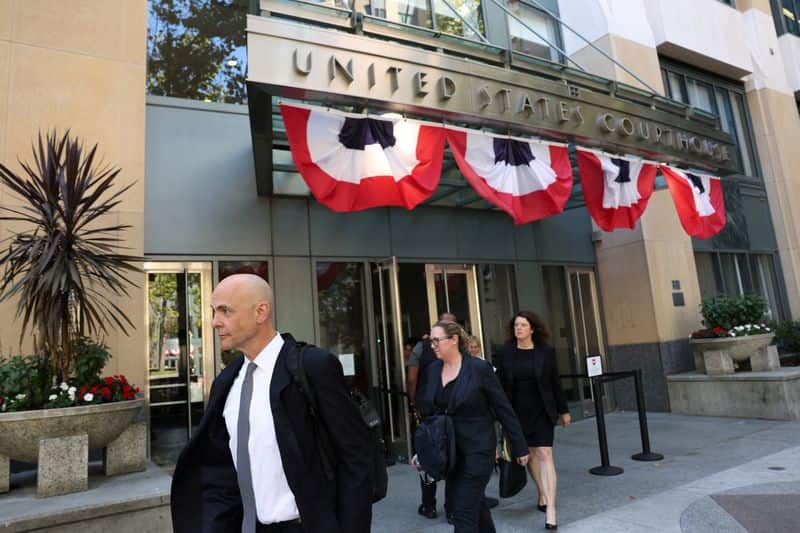
A former Facebook engineering director and vocal critic of Meta Platforms, Arturo Bejar, continued his testimony on Wednesday in the landmark trial. Bejar, who worked at Meta from 2009 to 2015 and returned as an independent contractor from 2019 to 2021, accused the company of ignoring internal research on the harm its platforms can cause children and teens. He helped run surveys of teen experiences on Instagram between 2019 and 2021 and flagged concerns about the platform's impact on young users to Meta leadership. Bejar stated that Meta's internal surveillance was flawed because it focused on the prevalence of content violating company policies, not the actual harm caused. He read jurors an email he sent to Meta's chief product officer Chris Cox, highlighting a substantial gap between Meta's reported prevalence and the actual harm users reported, stating, "Young people were experiencing harm at extraordinarily high rates."