All NewsEducationTV
Equities & FundsCrypto & Digital AssetsAI & TechnologyBusiness & CorporateUS Politics & PolicyGeopolitics & Global RiskMacro, Rates & FXCommodities & EnergyEuropean Politics & MarketsAsia-PacificReal Estate & Property
All NewsHome
← Back to Commodities & Energy

Sri Lanka's Ceylon Tea: Inequality and Climate Pressures

Created at 28 Aug · 11:36 PM1 source↑ Market-relevant
IN SHORT

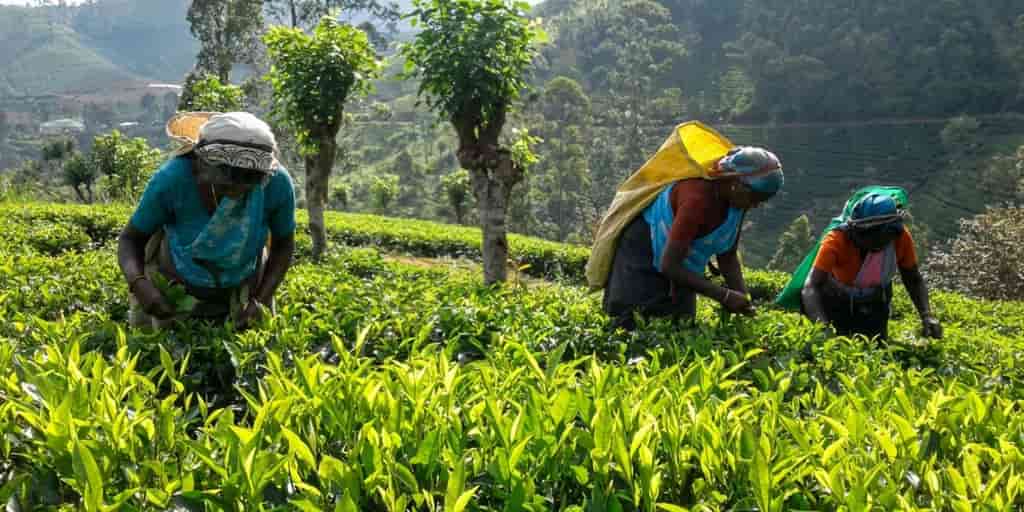
Sri Lanka's celebrated Ceylon Tea industry, a major foreign exchange earner, faces significant challenges. Plantation workers, particularly Malaiyaha Tamils, endure low wages and poor living conditions, while climate change increasingly disrupts cultivation and threatens livelihoods.

Key Numbers

$1.4 billionExport earnings in first eleven months of 2025
200,000 hectaresArea covered by tea cultivation
1 millionLivelihoods supported by the tea sector
Rs. 1,350Typical daily wage for workers

Who's Involved

Meenarasi Nesan
67-year-old tea plantation worker in Kandapola
Malaiyaha Tamils
Plantation workers facing historical legacy and low wages
Munza Mushtaq
Photographer documenting tea pluckers
Eleez Omar
Author of 'Brewing Change: Climate Displacement in Sri Lanka's Tea Highlands'
Sri Lanka's Ceylon Tea: Inequality and Climate Pressures

↳ Why This Matters

The challenges faced by Sri Lanka's tea plantation workers highlight the stark inequality within a globally recognized export industry, while climate change poses a significant threat to the sector's future and the livelihoods dependent upon it.

Key facts

  • Sri Lanka's tea industry is a significant contributor to the nation's foreign exchange earnings, exceeding $1.4 billion in exports in early 2025.
  • Plantation workers, many from the Malaiyaha Tamil community, face low wages, typically around Rs. 1,350 per day, and inadequate living conditions.
  • Climate change is impacting tea cultivation through unpredictable rainfall, droughts, and extreme weather events, affecting crop yields and quality.
  • The industry supports over a million livelihoods and covers more than 200,000 hectares of land.
  • Efforts are underway to improve worker welfare, adopt climate-resilient practices, and add value through premium products.

Sri Lanka's renowned Ceylon Tea industry, a significant source of foreign exchange and employment, is grappling with deep-seated issues of worker inequality and the escalating impacts of climate change. Plantation workers, many belonging to the India-origin Malaiyaha Tamil community, continue to face low wages, typically around Rs. 1,350 per day, which are insufficient to meet rising living expenses. These communities also often lack adequate housing, sanitation, and healthcare facilities, leading to higher poverty and malnutrition rates compared to the national average.

The industry, which covers over 200,000 hectares and supports more than a million livelihoods, generated export earnings exceeding $1.4 billion in the first eleven months of 2025. Despite these economic achievements, the benefits are not equitably distributed.

Furthermore, the cultivation of tea, which requires specific environmental conditions, is increasingly vulnerable to climate change. Scientists have observed rising temperatures, unpredictable rainfall patterns, prolonged dry spells, and more frequent extreme weather events such as cyclones and landslides. These changes stress tea plants, reduce productivity, and increase the risk of soil erosion, potentially impacting future yields and livelihoods.

Efforts are being made to address these challenges, including the adoption of climate-resilient agricultural practices like drought-resistant varieties and improved water management. There is also a focus on adding value through premium and organic products, as well as exploring responsible tourism on estates. Collaborative initiatives involving producers, exporters, international buyers, and government bodies aim to foster a more sustainable future for the industry and its workers.

Frequently asked questions

Ceylon Tea is a type of tea produced in Sri Lanka, renowned worldwide for its quality and distinctive flavors derived from the island's diverse growing conditions.

Workers face low wages, inadequate housing, limited access to basic services like water and healthcare, and higher poverty and malnutrition rates compared to the national average.

Climate change is causing irregular rainfall, droughts, intense downpours, and rising temperatures, which disrupt tea cultivation, affect leaf quality, and increase the risk of landslides and soil erosion.

Initiatives include implementing fair wage structures, improving living conditions, adopting climate-resilient farming practices, and developing premium and organic tea products.

What Happens Next

01Industry agreements and certifications to support fair wage structures and better living conditions.
02Nutrition and health initiatives tailored to estate communities.
03Adoption of climate-resilient practices in tea cultivation.
04Development of premium and organic tea products.
05Policy frameworks encouraging investment in modernization and worker welfare.
CME Headlines
  • RBOB Gasoline futures reach multi-month highs on inventory draw.
    28 Aug · 10:40 PM
  • RBOB Gasoline futures reach multi-month highs on inventory draw.
    28 Aug · 10:40 PM
  • Live Cattle futures slide for 4th straight week as Lean Hogs rebound.
    28 Aug · 10:24 PM

How It Developed

Sri Lanka's tea industry is a globally recognized asset and a major foreign exchange earner.
The sector supports over a million livelihoods and covers more than 200,000 hectares.
Export earnings exceeded $1.4 billion in the first eleven months of 2025.
Workers face wages typically around Rs. 1,350 per day, below a living standard.
Housing, water, sanitation, and healthcare facilities are often inadequate on estates.
Poverty and malnutrition rates are higher in estate communities compared to the national average.
Climate change causes irregular rainfall, droughts, intense downpours, and rising temperatures, affecting tea quality and yields.
Extreme weather events like cyclones and landslides cause direct losses to crops and infrastructure.

Sources

T1
Brewing inequality: the unseen cost of Sri Lanka's Ceylon TeaNikkei Asia
T2
Sri Lanka Tea Industry: Achievements, Worker Challenges, and Climate ...ceylonpublicaffairs.com
T2
Brewing Change: Climate Displacement in Sri Lanka's Tea Highlandsdisplacedinternational.org
T2
65-75 pct of tea industry cost is min wage based labour cost: Sri Lanka ...historyofceylontea.com

Related Stories

Pakistan Refineries to Sign $6 Billion Upgrade Deals
28 Aug · 12:26 PM
Asian water tower instability threatens regional water security, simulations show
28 Aug · 2:06 PM
Codelco Profit Surges on Copper Rally Despite Production Woes
28 Aug · 4:25 PM
UK shoppers favor legumes over meat and fake meat for cost and health
28 Aug · 10:16 AM
SoftBank-backed Ohio gas plant draws mixed reaction from residents
28 Aug · 3:41 PM