Key facts
- King Felipe and Queen Letizia will visit Ceuta and Melilla on October 13-14.
- This will be Felipe's first visit to the enclaves during his 12-year reign.
- Morocco claims sovereignty over Ceuta and Melilla and opposes Spanish royal visits.
- Spain considers Ceuta and Melilla integral parts of its territory.
- Felipe recently called the situation in Ceuta "unacceptable" and stated European countries should have shown more solidarity with Madrid.
- Opposition parties in Spain have accused Prime Minister Pedro Sanchez of being too soft on Rabat.
- Morocco has denied orchestrating the border crisis, blaming social media disinformation, human traffickers, and a legal loophole.
Spain's King Felipe will visit the disputed North African enclaves of Ceuta and Melilla on October 13-14, a move that could further strain tense relations with Morocco. Morocco claims sovereignty over the cities and regards them as occupied territory, and has historically opposed Spanish royal visits.
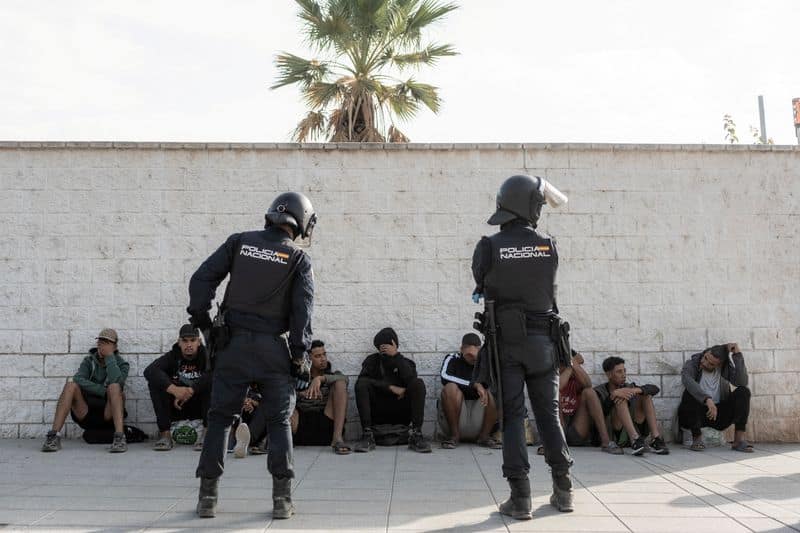
The trip by Felipe and Queen Letizia comes just over two months after more than 72,000 migrants surged into Ceuta from Morocco in late July. This will be Felipe's first visit to the enclaves during his 12-year reign.
Madrid considers the strategic outposts an integral part of its territory, with Ceuta and Melilla having been part of Spain since the 17th and 15th centuries, respectively. While Felipe has largely refrained from commenting publicly on the Ceuta crisis, he recently called the situation "unacceptable" and stated European countries should have shown more solidarity with Madrid.
Political debate in Spain has largely centered around Morocco's role in the border crisis, with opposition parties accusing Prime Minister Pedro Sanchez of being too soft on Rabat. Morocco has denied orchestrating the crisis, blaming social media disinformation, human traffickers, and the misinterpretation of a Spanish court ruling.