Key facts
- SpaceX aborted its 13th Starship test flight on Thursday due to four engine failures.
- The company is targeting Monday for its next launch attempt.
- The abort caused SpaceX shares to fall, wiping approximately $100 billion from its market value.
- Two Raptor engines on the Super Heavy booster will be replaced.
- Twenty Starlink satellites were on board for deployment.
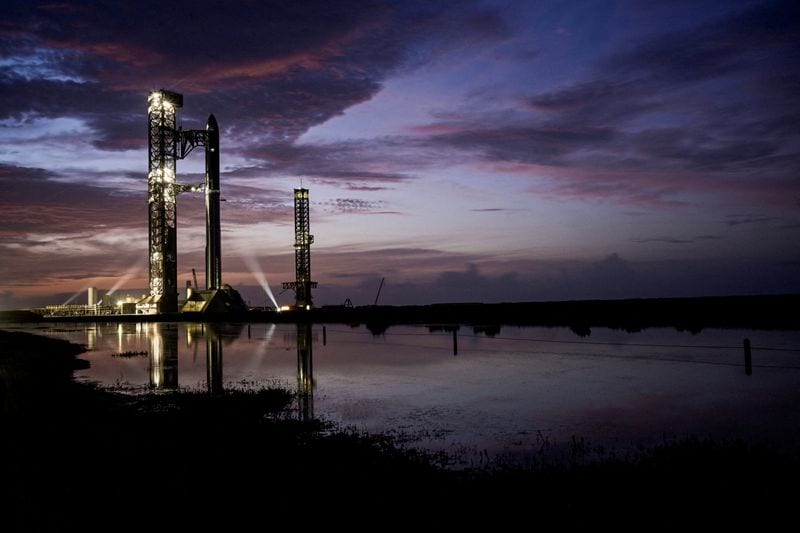
SpaceX is targeting Monday for another attempt to launch its Starship rocket following a last-second abort during engine ignition on Thursday. The automated scrub occurred when four of the Super Heavy booster's 33 engines failed to ignite, halting the 13th test flight before liftoff. This setback has led to a significant drop in SpaceX's market value, with shares falling approximately 6% since the abort and closing below the company's IPO price for the first time. Elon Musk stated that two Raptor engines will be replaced to ensure a successful flight, with the next launch attempt planned for early next week. The Starship rocket was carrying 20 new Starlink satellites for deployment, though neither the booster nor the spacecraft were intended for recovery. This test flight marks the first time a fully stacked Starship rocket ignited its engines and then aborted. SpaceX has invested over $15 billion in the Starship program, which is crucial for its future ambitions, including expanding the Starlink network and launching AI-processing satellites.