Key facts
- SpaceX declined three US Space Force launch contracts due to capacity constraints.
- PLD Space's Miura 5 rocket is nearing final integration.
- Reaction Dynamics is seeking $350 million to develop its Aurora and Borealis rockets.
- Rocket Lab's 98th Electron launch is scheduled for Friday, October 23.
- Japan's MMX mission to Mars' moon Phobos launched on an H3 rocket.
SpaceX has declined to bid on three US Space Force satellite launch contracts, citing a lack of capacity, according to Politico. The company has been turning down new Falcon 9 and Falcon Heavy launch contracts for various customers. Other potential providers like United Launch Alliance and Blue Origin are facing their own setbacks.
In Spain, PLD Space is nearing the final integration of its Miura 5 rocket, with a first flight targeted before mid-2027. The company has manufactured three Miura 5 vehicles, with one second stage undergoing system-level testing.
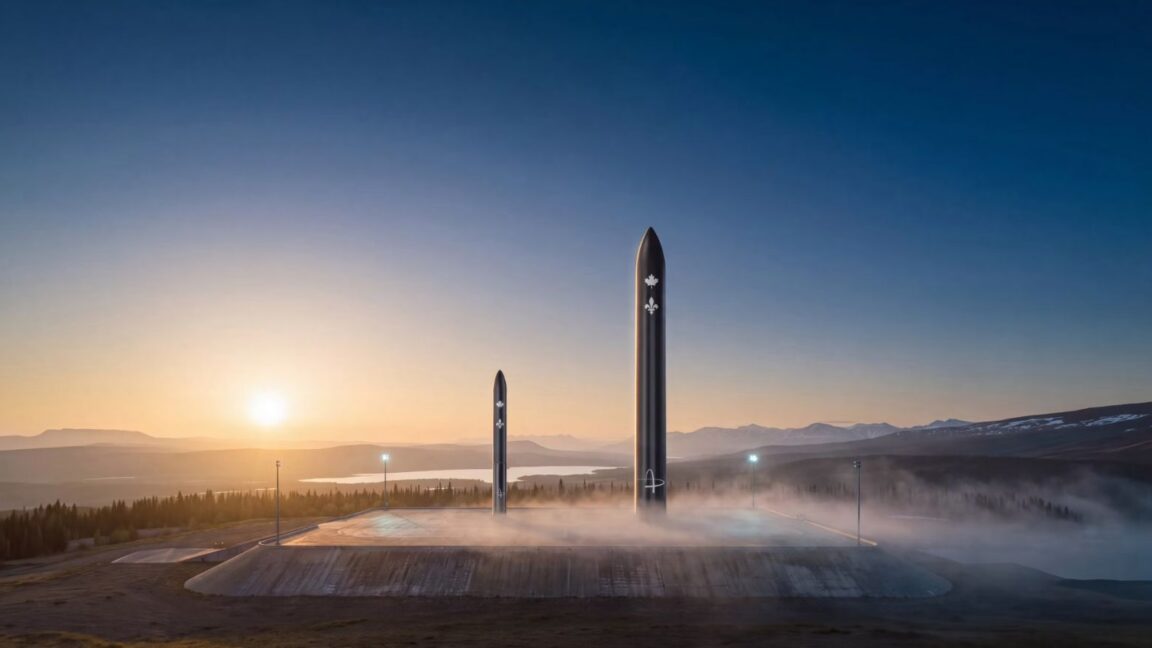
Canadian startup Reaction Dynamics is seeking $350 million to expand its staff and develop its small-lift Aurora rocket, aiming for orbit in 2028. The company also plans a medium-lift rocket, Borealis, for a 2031 debut.
Rocket Lab is preparing for its 98th Electron launch, carrying three HAWK satellites for HawkEye 360, scheduled for Friday, October 23. This mission, named "We’re Not Hawking Around," highlights Rocket Lab's continued commercial launch operations.
Japan successfully launched its $578 million Martian Moons eXploration (MMX) mission on an H3 rocket. The five-year expedition aims to land on Phobos, Mars' largest moon, and retrieve samples.