Key facts
- SpaceX accounts for 85% of US launches in 2025.
- Space Force has few alternatives for launching military satellites.
- Starship is designed for 'flat stack' satellites, not most military satellites.
- Space Force is working with Congress to rethink launch acquisition.
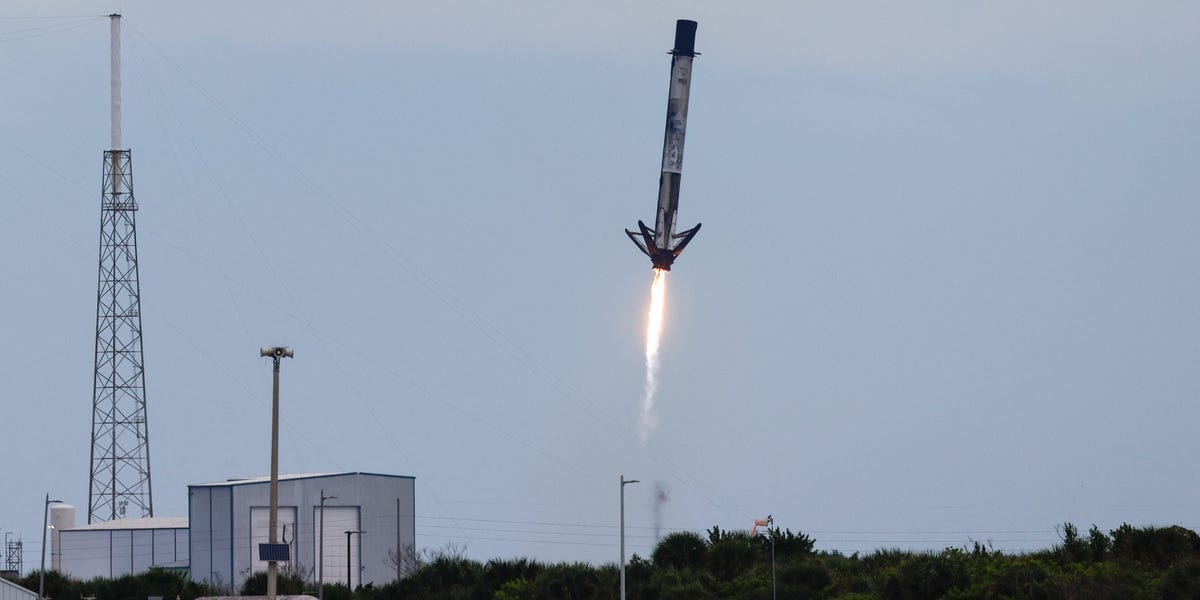
SpaceX's plan to retire its Falcon 9 rocket is creating significant challenges for the US Space Force's ability to launch military satellites, as the company dominates the market and competitors are years away from offering comparable services. The Space Force relies on SpaceX for 85% of its launches in 2025, but the company is shifting focus to its new Starship vehicle, which is not compatible with most existing military satellites. This situation has led to SpaceX declining to book three future Space Force missions, leaving the Pentagon with few alternatives. Competitors like United Launch Alliance and Blue Origin are experiencing delays and setbacks with their own rocket programs. The Space Force is exploring options with newer companies like Rocket Lab, Stoke Space, and Relativity, but these firms have yet to conduct successful test flights of their new vehicles. The situation highlights the Pentagon's dependence on Elon Musk's company and its business decisions, impacting national security. Space Force officials are working with Congress to find solutions, including potentially reserving future launch capacity for unproven rockets.