Key facts
- SpaceX plans to launch an upgraded Starlink Mobile service by late 2027, aiming to compete directly with AT&T, Verizon, and T-Mobile.
- The company will deploy small base stations, essentially Starlink dishes with cellular capabilities, rather than traditional large cell towers.
- SpaceX is acquiring 65 MHz of nationwide spectrum licenses from EchoStar to bolster its terrestrial mobile service offering.
- SpaceX anticipates its service will be superior to current carriers, eliminating dead zones and offering better performance during natural disasters.
- The company expects to launch thousands of next-generation Starlink direct-to-device satellites by the end of 2028.
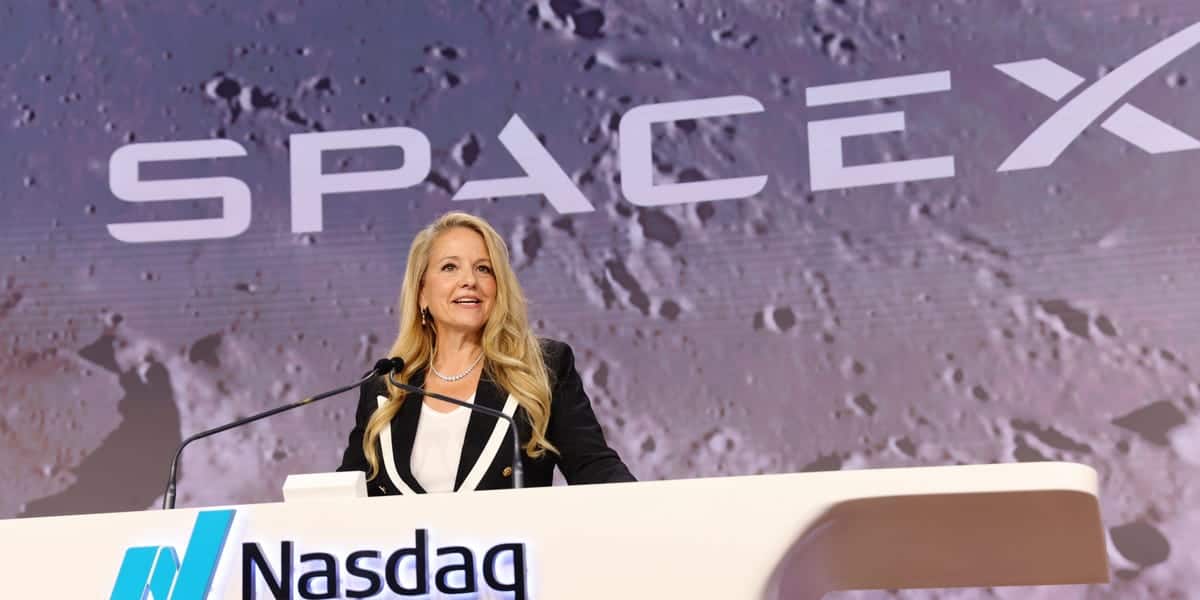
SpaceX intends to directly challenge the dominant US wireless carriers—AT&T, Verizon, and T-Mobile—by launching its own terrestrial mobile service, leveraging both its satellite network and newly acquired spectrum licenses. SpaceX President Gwynne Shotwell stated the company plans to begin flying next-generation Starlink satellites next year, with service expected to start by the end of 2027, and aims to capture a significant number of customers from existing providers.
Shotwell indicated that SpaceX will not build large cell towers but will instead deploy numerous small base stations, described as femtocells or Starlink dishes equipped with cellular capabilities. This approach, according to SpaceX CEO Elon Musk, will allow for widespread coverage and potentially offer higher bandwidth and better performance than current cellular services, especially during natural disasters.
The company is acquiring 65 MHz of nationwide spectrum licenses from EchoStar, a substantial increase from the 5 MHz it currently utilizes through partnerships. This expanded spectrum, combined with the deployment of upgraded satellites, is projected to make Starlink Mobile approximately 100 times more capable than its current iteration.
However, challenges remain. Analysts note that SpaceX has less spectrum than the major carriers and that replicating their extensive infrastructure will be difficult. The financial implications of building this terrestrial network are also significant, with Shotwell declining to disclose the projected costs, though SpaceX recently reported substantial capital expenditures on AI. The FCC approved the spectrum deal in May, with completion expected by November 30, 2027, though SpaceX will have temporary access to the spectrum before then.