Key facts
- Snapchat will stop recommending wholly AI-generated videos in its Spotlight feed.
- YouTube updated its policies to distinguish between AI used for creative enhancement and mass-produced AI content.
- LinkedIn introduced a reporting tool for AI-generated content and is removing an AI enhancement prompt.
- Substack is implementing a tool to help readers detect AI-generated writing.
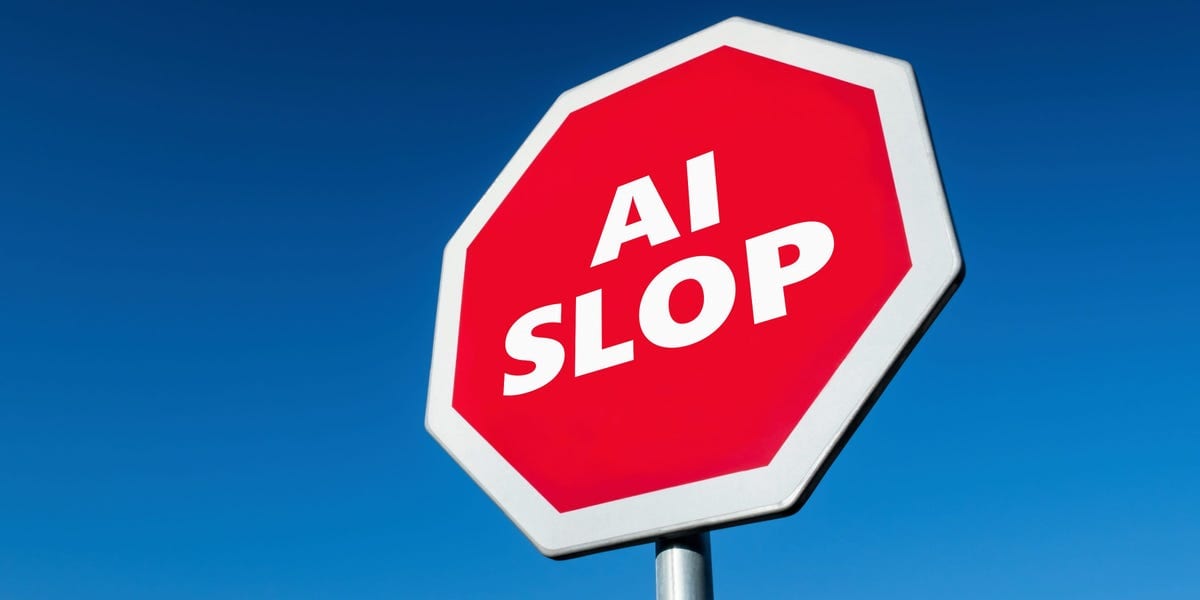
- Platforms are concerned that AI-generated content is often low-quality, repetitive, and can undermine the authenticity of online material.
Social media platforms are increasingly implementing measures to combat the proliferation of AI-generated content, often termed 'AI slop,' due to concerns over its quality and impact on online authenticity. Snapchat has announced it will stop recommending wholly AI-generated videos in its Spotlight feed, prioritizing human-made content. This move follows similar strategies by YouTube, LinkedIn, and Substack.
YouTube is updating its policies to distinguish between AI used for creative enhancement and mass-produced, repetitive content, aiming to reduce ambiguity for creators and protect advertiser confidence. The platform has previously removed channels that gained millions of views through AI-generated videos. LinkedIn has introduced a feature allowing users to report AI-generated posts and comments, with its Chief Product Officer stating that combating 'AI slop' is a top priority. The platform has blocked billions of automated comment attempts.
Substack's CEO Chris Best noted the increasing difficulty in discerning real content online and highlighted research suggesting a significant portion of social media writing is AI-generated. While platforms are not prohibiting all AI use, they are focusing on entirely AI-generated material that is typically low-quality and repetitive, aiming to maintain a genuine user experience.