Key facts
- The revamped Huanggang Port is set to open on October 12.
- The new port will reduce border clearance times between Shenzhen and Hong Kong to approximately five minutes.
Shenzhen retailers are preparing for the October 12 opening of the revamped Huanggang Port, which promises to cut border crossing times between the city and Hong Kong to as little as five minutes. While optimism is high for increased footfall and retail activity, some businesses worry that the area still lacks sufficient commercial appeal to retain travellers.
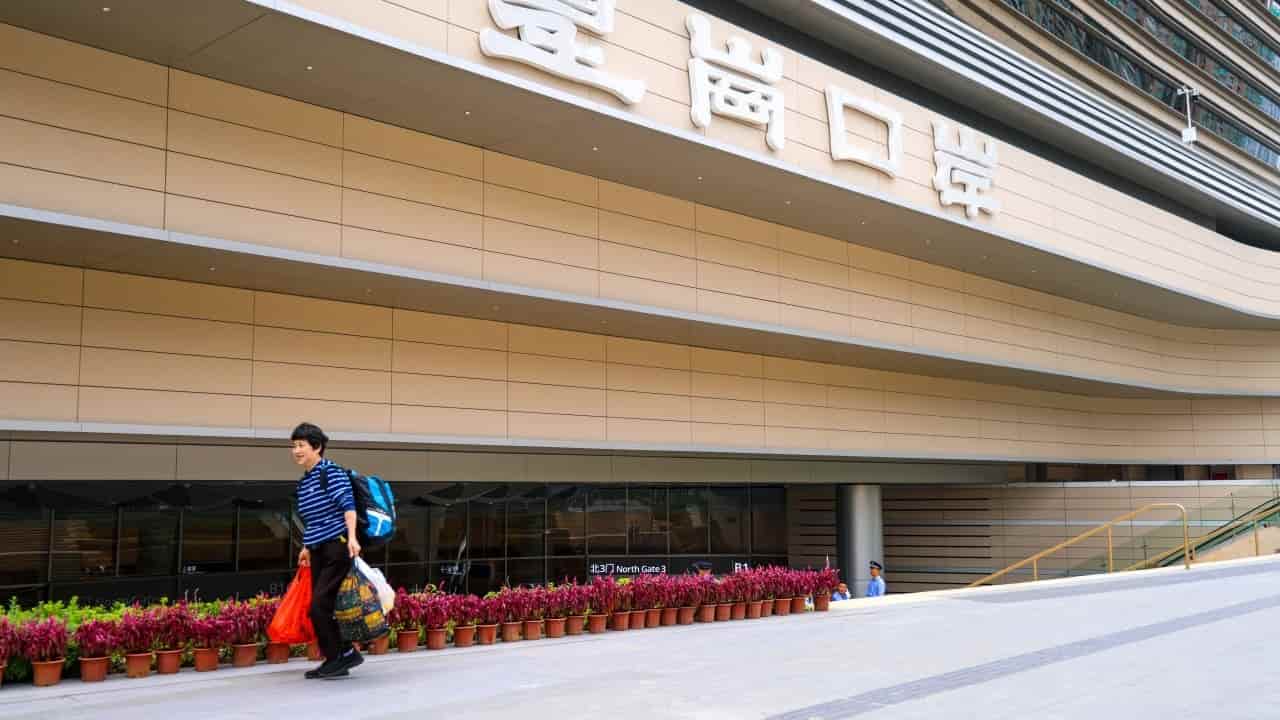
The opening of the Huanggang Port is poised to reshape cross-border commuting and consumption patterns between Shenzhen and Hong Kong, potentially driving significant economic activity and altering competitive dynamics for retailers and service providers in both cities.
Shenzhen's retail businesses are preparing for the imminent opening of the revamped Huanggang Port on October 12, a development expected to significantly reduce border crossing times between the city and Hong Kong. The new checkpoint will adopt an integrated customs model, cutting clearance from about 30 minutes to as little as five minutes and operating 24/7. This enhanced connectivity is anticipated to boost cross-border traffic and economic activity.
The immediate impact is already being felt in the real estate market, with residential transaction volumes in the Huanggang area reportedly up 50% year-on-year. Demand from Hong Kong residents, particularly professionals and students, is increasing as the "dual-city lifestyle" gains momentum, allowing people to live in Shenzhen and work in Hong Kong.
Retail operators and landlords are positioning for higher footfall, with increased investor interest in street-front retail units and rising commercial rents and property valuations reflecting anticipated growth. Developers are betting that improved accessibility will support a range of businesses, from restaurants to convenience retail and lifestyle concepts. The Greater Bay Area is evolving into a more integrated consumer ecosystem, where Shenzhen malls can attract Hong Kong residents as part of their regular trade area.
However, some industry observers caution that infrastructure alone does not guarantee retail success. Success will depend on combining accessibility with the right tenant mix, customer experience, and value proposition. Hong Kong, in particular, is advised to strengthen its "night brand" with dining and mega-events to capture spending from Shenzhen visitors, leveraging its food, entertainment, and event offerings to attract travellers.
Companies in sectors such as professional services, finance, logistics, and healthcare are also expected to benefit from increased cross-border activity. For innovation and technology firms, easier mobility could accelerate collaboration among researchers, entrepreneurs, and investors. The ultimate success of the port's economic impact will be measured not just by passenger numbers, but by the level of economic activity, innovation, investment, and talent exchange it fosters.
Pick the topics you care about. Get only what matters, on your cadence.