Key facts
- Shein will pay up to $3.5 billion to existing investors to compensate for a valuation slide ahead of its Hong Kong IPO.
- The company aims to raise up to $1.77 billion in its Hong Kong IPO, targeting a valuation of nearly $27 billion.
- Shein is scheduled to debut on the Hong Kong stock exchange on September 1.
- The company faces ongoing investigations by the European Commission and U.S. Federal Trade Commission.
- Shein's dual-class share structure grants its four co-founders 90% of voting rights despite holding 59.6% of shares.
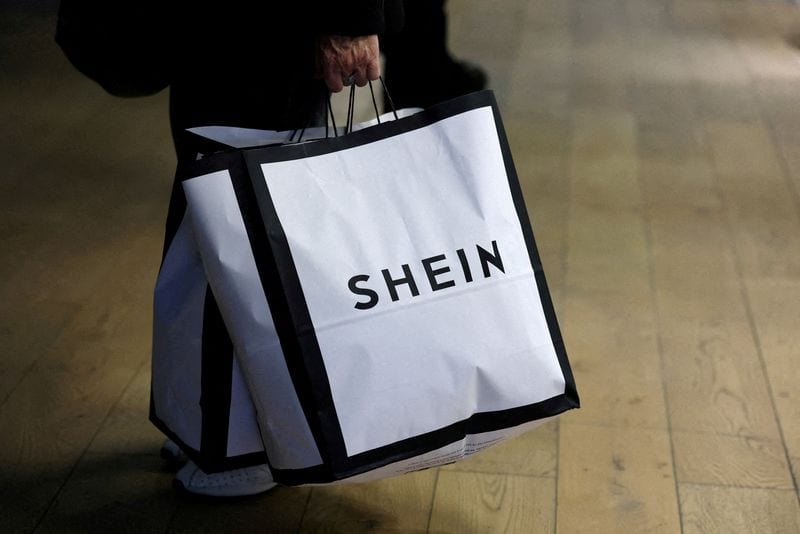
Shein is preparing for its Hong Kong IPO, aiming to raise up to $1.77 billion and targeting a valuation of nearly $27 billion. Ahead of its stock market debut on September 1, the online fast-fashion retailer will pay up to $3.5 billion to existing investors to compensate for a valuation slide. The company will also pay up to $39 million in fees to 10 banks arranging the IPO.
Despite efforts to address environmental, social, and governance (ESG) concerns, Shein continues to face scrutiny. The company is under investigation by the European Commission and the U.S. Federal Trade Commission, with past probes resulting in fines in France and Italy. Investors remain concerned about labor conditions, supply chain traceability, environmental impacts, and the sustainability implications of its ultra-fast-fashion model.
Shein's dual-class share structure, which grants its four co-founders 90% of voting rights despite holding 59.6% of shares, raises concerns about independent oversight. Additionally, the company's business model, characterized by low prices and frequent new styles, encourages impulsive buying, which critics argue is at odds with sustainability goals. Shein reported greenhouse gas emissions roughly double those of Inditex in 2025, despite lower annual sales.
The company has increased its ESG disclosures, with its 2025 sustainability report detailing improvements in its supply chain. However, the ongoing regulatory investigations pose a risk of significant fines and raise questions about compliance and internal controls.