Key facts
- Senator Maggie Hassan has requested details from Capital One about an anti-money laundering review.
- The review led Capital One to close accounts linked to Donald Trump and his businesses in 2021.
- Hassan asked for documents on transactions, alerts, and communications with law enforcement or regulators.
- The Trump Organization and Eric Trump previously sued Capital One, alleging politically motivated account closures.
- Capital One has stated the closures were based on AML policies and regulatory guidance, not political grounds.
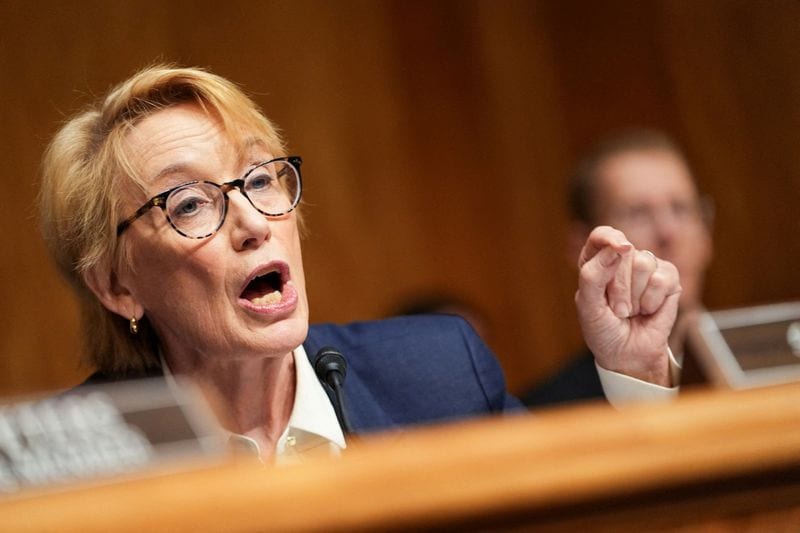
Democratic U.S. Senator Maggie Hassan has formally requested detailed information from Capital One Financial regarding an internal anti-money laundering (AML) review that resulted in the closure of accounts associated with President Donald Trump and his businesses. In a letter addressed to Capital One CEO Richard Fairbank, Hassan sought documents pertaining to the transactions, alerts, and other factors that triggered the review, as well as any communications with regulatory bodies or law enforcement.
The senator's inquiry follows a lawsuit filed by the Trump Organization and Eric Trump in March 2025, alleging that Capital One's 2021 closure of hundreds of affiliated accounts was politically motivated. Capital One has denied these allegations, stating in a July court filing that the closures were a result of a thorough AML review conducted in accordance with bank policies and regulatory guidance. The bank has not accused the Trump Organization of money laundering, though the plaintiffs contend the AML review served as a pretext.
Hassan, the ranking Democrat on the Joint Economic Committee, emphasized the need for transparency, stating that "The American people deserve to know." Her request could provide further insight into the financial dealings of Trump's companies and potentially validate or refute claims of politically motivated "debanking." This issue has gained traction during Trump's second term, with conservatives alleging that large financial institutions unfairly target individuals and businesses with conservative leanings. The banking industry maintains that account closures are typically driven by adherence to federal regulations. President Trump has previously taken action against such practices, signing an executive order to curb discriminatory debanking and suing JPMorgan Chase on similar grounds.