Key facts
- The Lycurgus Cup, dating to around 400 CE, exhibits different colors depending on light due to nanoparticles of gold and silver in the glass.
- University of Sheffield scientists Lisa Hollands and Caroline Jackson developed a consistent, replicable recipe for the dichroic glass.
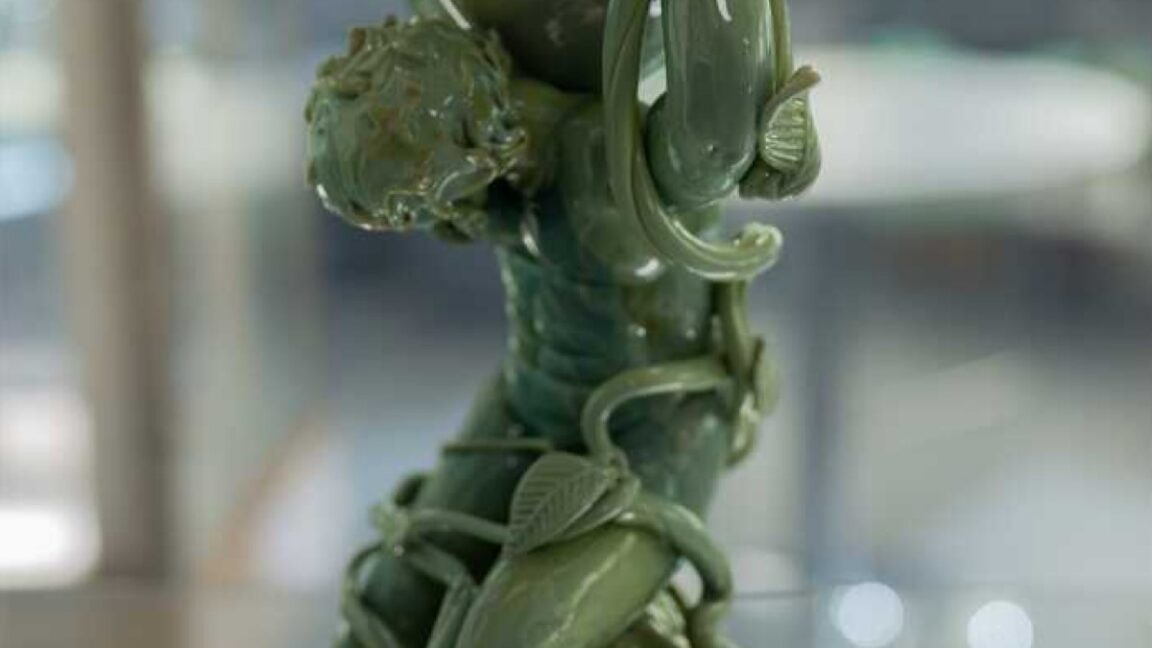
- Glass artist Elliott Walker created a contemporary sculpture using the new recipe, blending the Lycurgus story with the Farnese Atlas.
- The sculpture will be unveiled at the Millennium Gallery next month during the University of Sheffield’s Festival of the Mind.
Scientists at the University of Sheffield have successfully recreated the ancient Roman recipe for the Lycurgus Cup, a 1,600-year-old artifact famed for its dichroic glass that changes color from green to red depending on the light. The color effect is due to nanoparticles of gold and silver embedded in the glass. UK glass artist Elliott Walker has used the newly developed recipe to create a contemporary sculpture that pays homage to the original cup. The sculpture will be unveiled next month at the University of Sheffield’s Festival of the Mind and will then be permanently displayed at the university’s Turner Museum of Glass.