Key facts
- Saudi Arabia's East-West Pipeline has resumed operations after drone strikes.
- The pipeline shutdown had threatened to halt exports from the port of Yanbu.
- Inventories at Yanbu were estimated to be sufficient for only five to seven days of recent export rates.
- Houthi forces have advanced near the Bab el-Mandeb Strait, increasing security risks.
- Oil flows through the Strait of Hormuz fell from 21.6 million barrels per day in Q4 2025 to 4.9 million barrels per day in Q2 2026.
- Flows through the Bab el-Mandeb Strait increased from 5.4 million to 8.1 million barrels per day over the same period.
Saudi Arabia's critical East-West Pipeline has resumed operations following drone strikes that had forced a shutdown, but the broader oil market remains tight due to soaring freight and diesel prices. The incident underscores the vulnerability of key energy infrastructure and the limited alternatives available to Gulf producers.
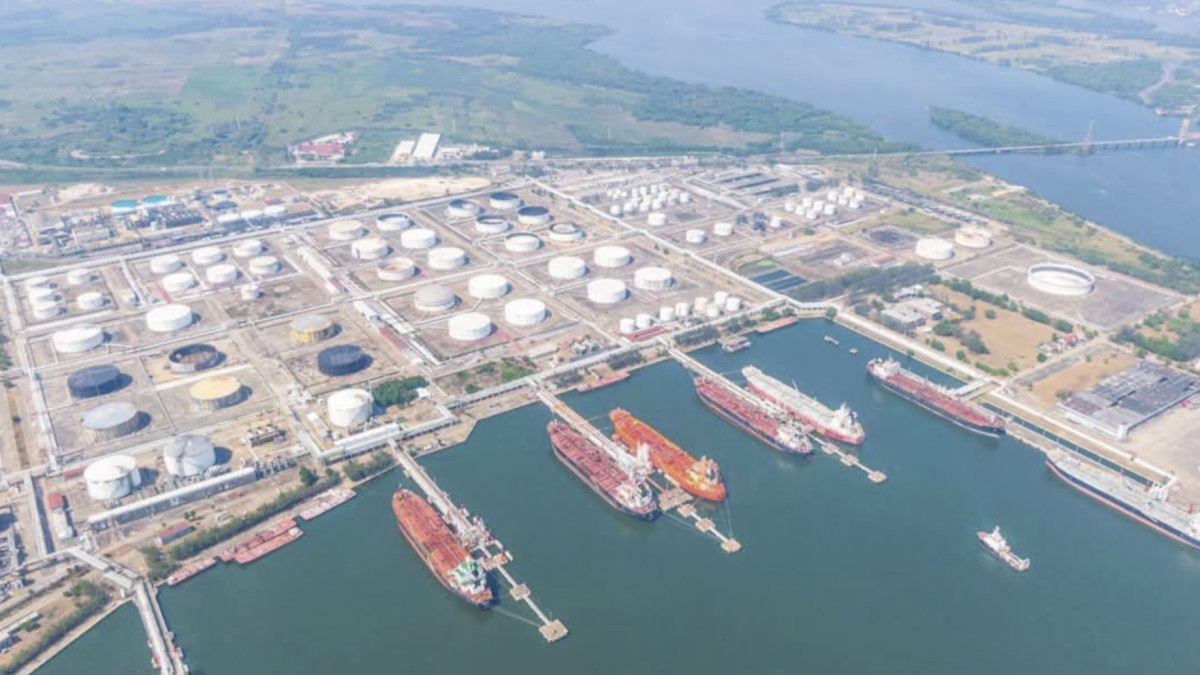
The East-West Pipeline, capable of carrying approximately 4 million barrels per day to the Red Sea port of Yanbu, is a crucial bypass for Saudi crude exports when the Strait of Hormuz is disrupted. Drone attacks forced its closure, raising concerns about export capacity, as available inventories at Yanbu were estimated to last only five to seven days at recent export rates. Repair estimates vary, with some suggesting a full restoration could take five to six weeks.
The security risks extend to the Bab el-Mandeb Strait, a vital chokepoint at the southern entrance to the Red Sea. Iran-aligned Houthi forces have advanced along Yemen’s coast, reaching Perim Island, which could further threaten shipping routes. This comes at a time when Saudi Arabia is increasingly reliant on Red Sea exports due to severe disruptions in the Strait of Hormuz, through which oil flows dropped from 21.6 million barrels per day in the fourth quarter of 2025 to 4.9 million barrels per day in the second quarter of 2026. Over the same period, flows through Bab el-Mandeb increased from 5.4 million to 8.1 million barrels per day.
Brent crude settled Friday at $104.61 per barrel, and West Texas Intermediate finished at $100.05, marking gains of over 8% for the week. While high energy prices can dampen demand and production outside the Persian Gulf offers some buffer, these cushions are finite, making the repair timeline for the East-West Pipeline critical for global oil supply stability.