Key facts
- Diesel prices reached a record $6.52 a gallon on Tuesday.
- Diesel prices are up 77% year-over-year, significantly outpacing gains in crude oil and regular gasoline.
- Reduced refining capacity and supply chain issues, including attacks on energy infrastructure in the Middle East and Russia, are driving diesel prices.
- Diesel exports from the Middle East and Russia were down 75% year-over-year in August.
- Diesel is crucial for the US economy, powering commercial trucks, agriculture, construction, and mining equipment.
- Economists warn that higher diesel prices have a more direct impact on inflation and could prompt the Federal Reserve to raise interest rates.
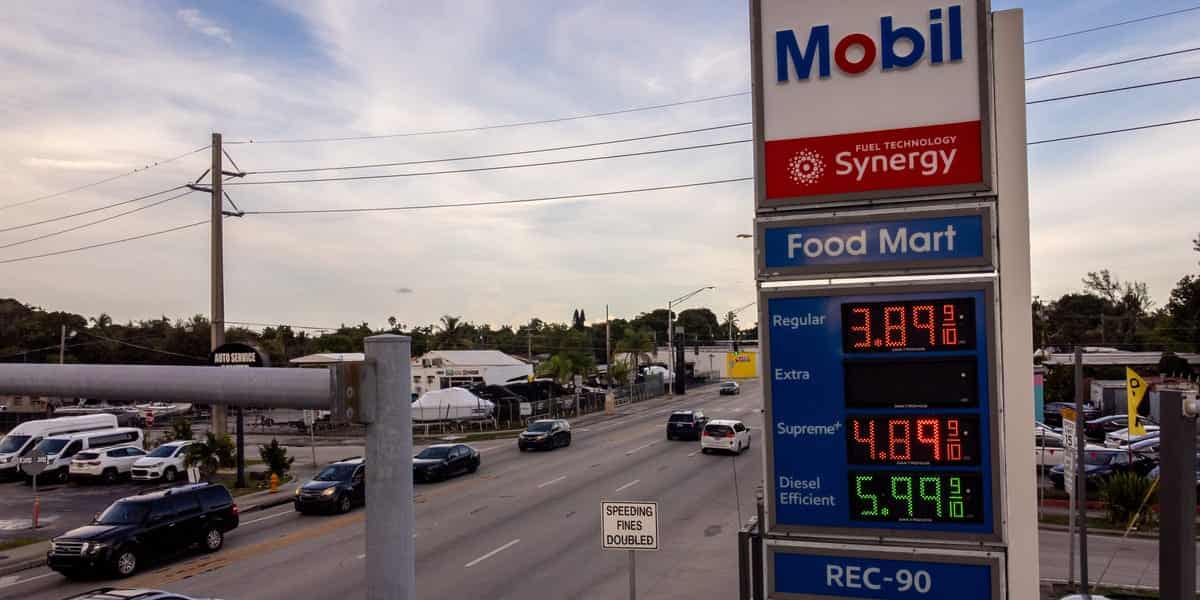
Diesel prices have reached record highs, climbing to $6.52 a gallon on Tuesday, even as crude oil and regular gasoline prices have cooled. This surge represents a 77% increase from a year ago, significantly outpacing the 40% rise in gas prices and the 32% increase in Brent crude over the same period.
The elevated diesel costs are primarily driven by reduced refining capacity and supply chain bottlenecks, exacerbated by recent attacks on energy infrastructure in the Middle East and Russia. According to the International Energy Agency, diesel exports from these regions collectively decreased by 75% year-over-year in August.
Economists and politicians are increasingly concerned about diesel's impact on the broader economy. Nobel laureate Paul Krugman noted that distillates, like diesel, are the current problem, and higher diesel prices have a more direct effect on inflation, potentially prompting the Federal Reserve to raise interest rates. Bank of America analysts described diesel prices as the "key real-economy pressure point."
In response, Republican lawmakers have proposed a 90-day ban on US diesel exports to alleviate domestic supply pressures. President Donald Trump has also weighed in, urging an end to the Russia-Ukraine war, which he believes has impacted Russian oil refineries contributing to the global diesel supply. Sources told The Financial Times that Trump recently spoke with Ukraine's president about stopping attacks on Russian refineries, emphasizing the importance of diesel.
Energy analyst Paul Sankey described the situation as "a total mess," warning that while a diesel export ban could lower US prices, it might create a supply disaster for regions like Europe and could lead refiners to reduce production if margins fall, potentially increasing prices later. Hardika Singh, an economic strategist at Fundstrat Research, suggested that diesel prices could reach $7 a gallon as supply pressures continue to mount.