Key facts
- Saudi Arabia's East-West Pipeline, capable of carrying 7 million barrels per day, was attacked on September 10.
- The pipeline is a critical alternative to the Strait of Hormuz for Saudi crude exports.
- Kpler estimates the pipeline was moving roughly 4 million bpd before the attack.
- A prolonged outage could threaten 3.5–4 million bpd of Saudi crude exports.
- Crude inventories at Yanbu have fallen below 15 million barrels, down from almost 21 million in July.
- Saudi Aramco has informed European customers of cancelled or postponed September-loading cargoes.
- At least three European refiners have had late-September cargoes cancelled or delayed, some until November.
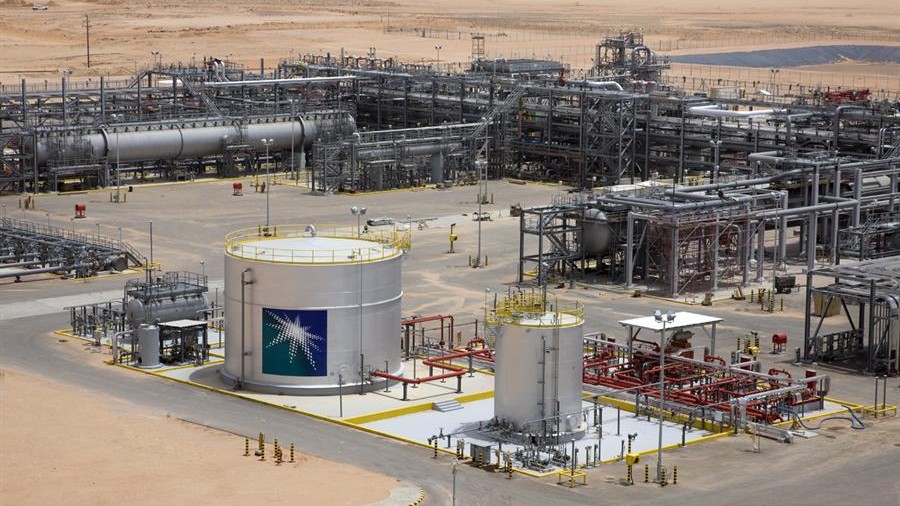
Saudi Arabia's critical East-West Pipeline, also known as Petroline, has been attacked at multiple locations, forcing a shutdown of the 1,200-kilometer system that serves as a vital alternative to the Strait of Hormuz. The attacks, which Saudi Arabia attributes to drones originating from Iraq, have raised concerns about potential retaliation and further escalation of regional conflicts.
The pipeline has a nameplate capacity of 7 million barrels per day, but Kpler estimates it was moving around 4 million bpd before the September 10 attacks. A prolonged outage could threaten 3.5–4 million bpd of Saudi crude exports, as the Kingdom can still export some crude from eastern terminals despite Gulf shipping constraints.
Inventories at the Yanbu terminal on the Red Sea have fallen to below 15 million barrels, from nearly 21 million in July, representing about four days of theoretical supply at an export rate of 3.5 million bpd. While Saudi Aramco can draw on its global storage, sustained exports from Yanbu require fresh crude to reach the facility.
The conflict's potential spread is a major concern. The attacks on the pipeline, which Saudi Arabia says originated from Iraq, could lead to retaliation against Iran-aligned militias. Meanwhile, Houthi forces in Yemen are reportedly consolidating around Marib, a key stronghold for the internationally recognized government and a hub for oil and gas fields. Control around the Bab el-Mandeb strait, a crucial maritime chokepoint, would increase Houthi influence.
U.S. officials have reportedly met with Houthi leaders in Oman, receiving assurances they would not target U.S. shipping, though Saudi-linked vessels remain targets. The Trump administration has not intervened militarily, increasing pressure on Riyadh to negotiate or seek broader regional support.
For Europe, the consequences are already materializing. Saudi Aramco has informed customers of cancelled or postponed September-loading cargoes, and Yanbu loadings have been suspended. At least three European refiners have experienced cancellations or delays, some extending into November.
Europe can seek alternative supplies from sources like the North Sea, U.S. Gulf Coast, Kazakhstan, Algeria, Guyana, Brazil, and West Africa. However, Asian refiners facing similar Middle Eastern disruptions are also competing for these barrels, leading to higher crude differentials and increased freight costs. Saudi barrels from Yanbu were conveniently positioned for European refiners, and replacing them with longer-haul crudes reshuffles trade and raises transportation expenses.
Further risk comes from Libya, where production was temporarily halted due to pipeline closures, highlighting another vulnerability for Europe as it seeks replacements for disrupted Saudi barrels. Wholesale diesel and gasoline prices are expected to rise at European filling stations within one to two weeks, with the full effect of replacing more expensive Atlantic Basin barrels becoming clearer by late September and October.