Key facts
- Saudi Arabia, Turkey, and Pakistan will hold an urgent chiefs-of-staff meeting.
- The meeting will focus on supporting Saudi Arabia against escalating Houthi attacks.
- Saudi Arabia's Grand Mufti urged soldiers to fight the Houthis until they are ousted.
- Yemen's president called for mobilization and offered amnesty to Houthi fighters.
- Saudi authorities intercepted six ballistic missiles fired by Houthi fighters.
- Iran proposed reopening the Strait of Hormuz in exchange for lifting US sanctions and ending hostilities.
Saudi Arabia, Turkey, and Pakistan are set to hold an urgent meeting of their chiefs of staff to discuss ways to support Riyadh amid escalating attacks by Yemen's Iran-aligned Houthis. The announcement follows a call from Saudi Arabia's Grand Mufti, Sheikh Saleh bin Fawzan Al-Fawzan, urging soldiers to be ready to sacrifice their lives fighting the Houthis until the group is ousted.
The meeting is being held within the framework of the Mecca Joint Defence Agreement, which stipulates that an attack against any one of the parties constitutes an attack against all. The foreign ministers of the three nations met and condemned attacks targeting Mecca and other civilian sites, while affirming Saudi Arabia's right to defend itself.
The Houthis have launched strikes on the Saudi-backed government in Yemen and repeatedly fired into Saudi Arabia, disrupting oil flows. Saudi authorities intercepted six ballistic missiles fired by Houthi fighters on Thursday, after the Houthis claimed to have fired dozens of missiles and drones at Saudi targets. Emergency alerts were issued for areas including Mecca, Jeddah, and Yanbu.
Amid the regional tensions, Iranian President Masoud Pezeshkian sought to distance Iran from the Houthis, stating they are responsible for their own actions. Iran's Foreign Minister Abbas Araqchi detailed a proposal conveyed to the United States via intermediaries, which would see the Strait of Hormuz reopened if Tehran's conditions are met, including an end to hostilities on all fronts within seven days and the lifting of US sanctions on Iran's ports and frozen funds. A senior Iranian official indicated Tehran was reviewing Washington's response to its peace proposals.
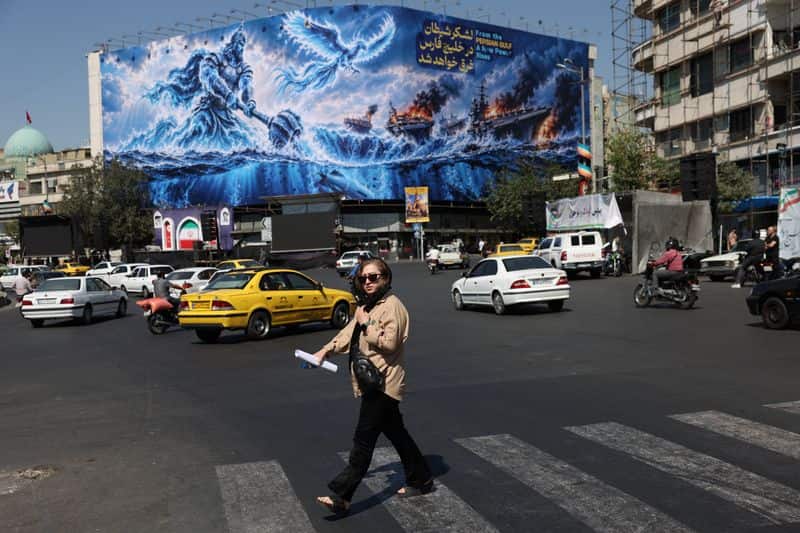
The ongoing conflict, which began with US and Israeli strikes on Iran in February, has disrupted global energy supplies and pushed up oil prices. While direct combat between the US and Iran has largely paused, Iranian allies like Hezbollah and the Houthis remain active. Iran and its allies have significantly pressured oil exports from Saudi Arabia, a US ally, by disrupting shipping traffic at the mouth of the Red Sea and limiting tanker traffic at the Strait of Hormuz. New US sanctions targeting companies doing business with Iran led to Iranian airlines being barred from neighboring countries.