Key facts
- Saudi Aramco's Jizan refinery was targeted again on Monday.
- Houthi rebels claimed attacks on two Saudi oil tankers in the Red Sea.
- Brent crude oil prices surged to $100.69 per barrel, the highest in nearly two months.
- The attacks have raised concerns about widening conflict and disruptions to global energy supplies.
- Gasoline prices also rose, with the national average reaching $4.09 per gallon.
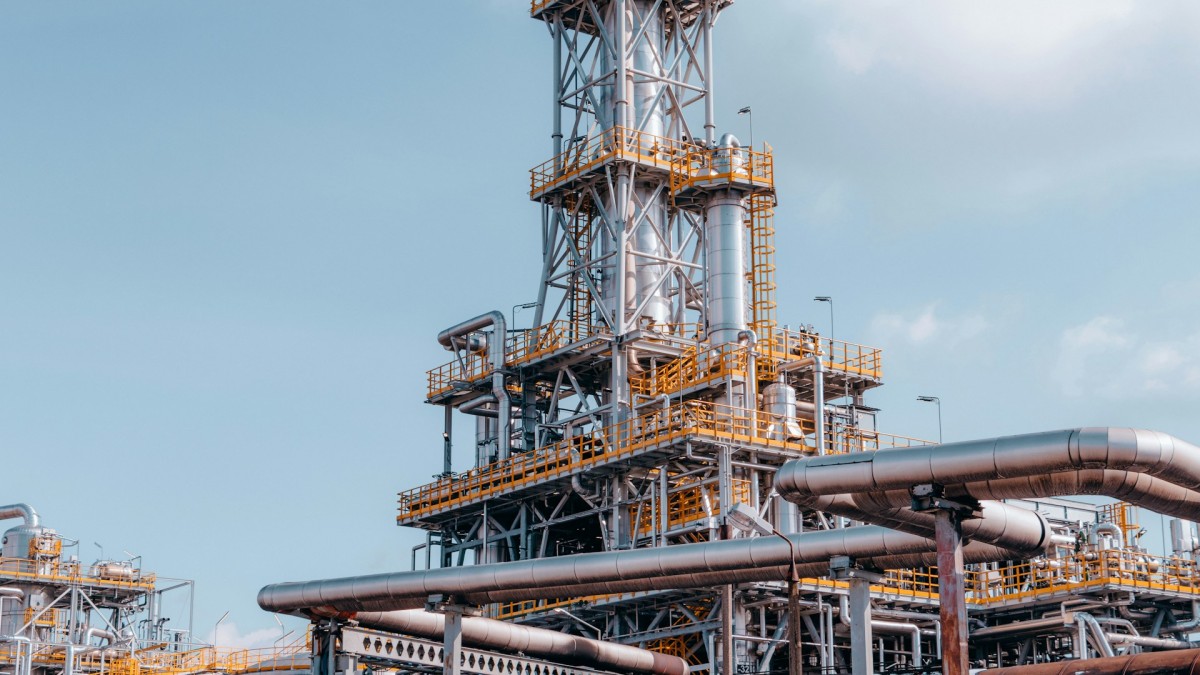
Saudi Aramco's Jizan refinery, a significant refining hub with a capacity of 400,000 barrels per day, was struck in a new attack on Monday. The incident is similar in scale to a previous strike that temporarily disrupted operations. The refinery's strategic location on Saudi Arabia's Red Sea coast has become increasingly important as the kingdom reroutes oil shipments westward via its East West pipeline to avoid potential disruptions in the Strait of Hormuz. However, operations at Jizan have been impacted, with oil exports reportedly falling sharply in August following an earlier attack. The Houthis, an Iran-aligned group from Yemen, have repeatedly targeted Saudi oil infrastructure, including facilities in Jizan and Yanbu, since fighting resumed this summer. While Aramco's chief executive previously stated that earlier attacks caused only temporary interruptions with no material impact, the repeated targeting raises concerns about the security of this alternative export route. Oil prices were already on an upward trend on Monday, influenced by geopolitical tensions in the Middle East. Oil prices rose Thursday to their highest levels in nearly two months after the latest Iran war escalation threatened severe new disruptions to global energy supplies. Brent crude oil closed higher by 7%, at $100.69 per barrel, its highest level in eight weeks. U.S. crude oil also jumped, closing higher by 6.2%, at $92.19 per barrel. The prices surged after Tehran-backed Houthi rebels claimed attacks on two Saudi oil tankers in the Red Sea following their announcement of a naval blockade on the kingdom. This appears to be the first time since the Iran war began that ship attacks have spread beyond the vicinity of the Strait of Hormuz, opening up a new front in the volatile conflict. The Houthi threat is unsettling to oil markets because millions of barrels per day pass through the Bab el-Mandeb strait to reach global markets, with about 12% to 15% of global maritime trade worth more than $1 trillion transiting the waterway annually. Since the start of the month, oil prices have risen about 35%, and more than 60% since the start of the year. Along with oil prices, gas prices have risen, too, with the national average price Thursday rising to $4.09 per gallon. This has erased much of the progress toward lower prices after the U.S. and Iran signed a memorandum of understanding in mid-June. That deal has now collapsed, with President Donald Trump threatening Wednesday to blow up an Iranian bridge or power plant for every vessel Tehran attacks. Hours later, the Houthi claim to have hit two tankers in the Red Sea. The United Kingdom’s Maritime Trade Office reported a tanker struck by an unknown projectile north of the critical Bab el-Mandeb strait. The state-run Saudi Press Agency reported the Encelia was set ablaze by an attack while sailing overnight in the Red Sea. Analysts expect the price of Brent crude to remain elevated for the rest of the year.