Key facts
- Saudi Arabia is seeking to double its overseas oil storage capacity.
- The Makkah Defence Alliance is modeled around NATO's Article 5 collective defense principle.
- Singapore's Jurong Rock Caverns can store up to 1.47 million cubic meters of liquid hydrocarbons.
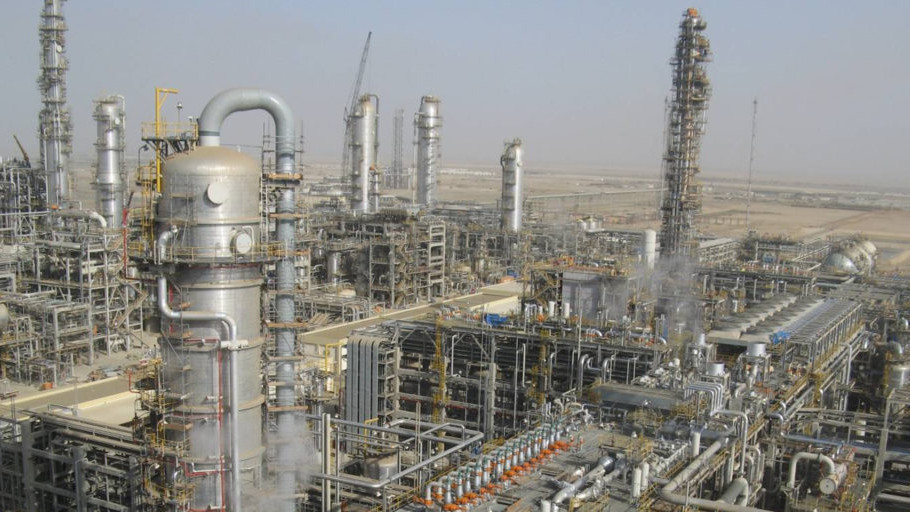
Saudi Arabia is shifting its oil policy by seeking to store crude in foreign nations, a move driven by concerns over the security of its energy infrastructure and a perceived inability of the U.S. to guarantee regional stability. The Kingdom's oil flagship, Aramco, aims to double its overseas storage capacity, signaling a transition from a reactive supply model to one of pre-emptive storage in customer backyards. This strategy is partly a response to repeated drone and missile strikes on Saudi oil facilities by Iranian proxies, which have previously caused significant price spikes. The announcement follows a deal struck on October 26 to store crude in Singapore's Jurong Rock Caverns. This policy change underscores a growing distrust in relying solely on U.S. security assurances, prompting Saudi Arabia to explore alternative alliances and infrastructure, such as the India–Middle East–Europe Economic Corridor (IMEC) and the Makkah Defence Alliance with Turkey and Pakistan.