Key facts
- World Bank downgraded 2026 GDP growth forecast for the Gulf region to 1.3% from 4.4%.
- Saudi Aramco reported a 26% jump in profits in the first quarter of 2026.
- Estimated damage to energy infrastructure stands at $58 billion.
- Jebel Ali Port has seen a 40% drop in vessels due to the war.
The US and Israel's war on Iran, which began in February, has significantly impacted Gulf economies, leading to downgraded growth forecasts and predictions of recession. While often viewed as a unified bloc, the conflict has exposed varying levels of economic vulnerability among Gulf Cooperation Council (GCC) states.
Qatar and Kuwait have faced severe disruptions to oil and gas exports due to the closure of the Strait of Hormuz. However, Saudi Arabia and the UAE have partially mitigated these issues through bypass infrastructure, allowing them to capitalize on soaring oil prices. Saudi Aramco, for instance, reported a 26% profit increase in the first quarter of 2026.
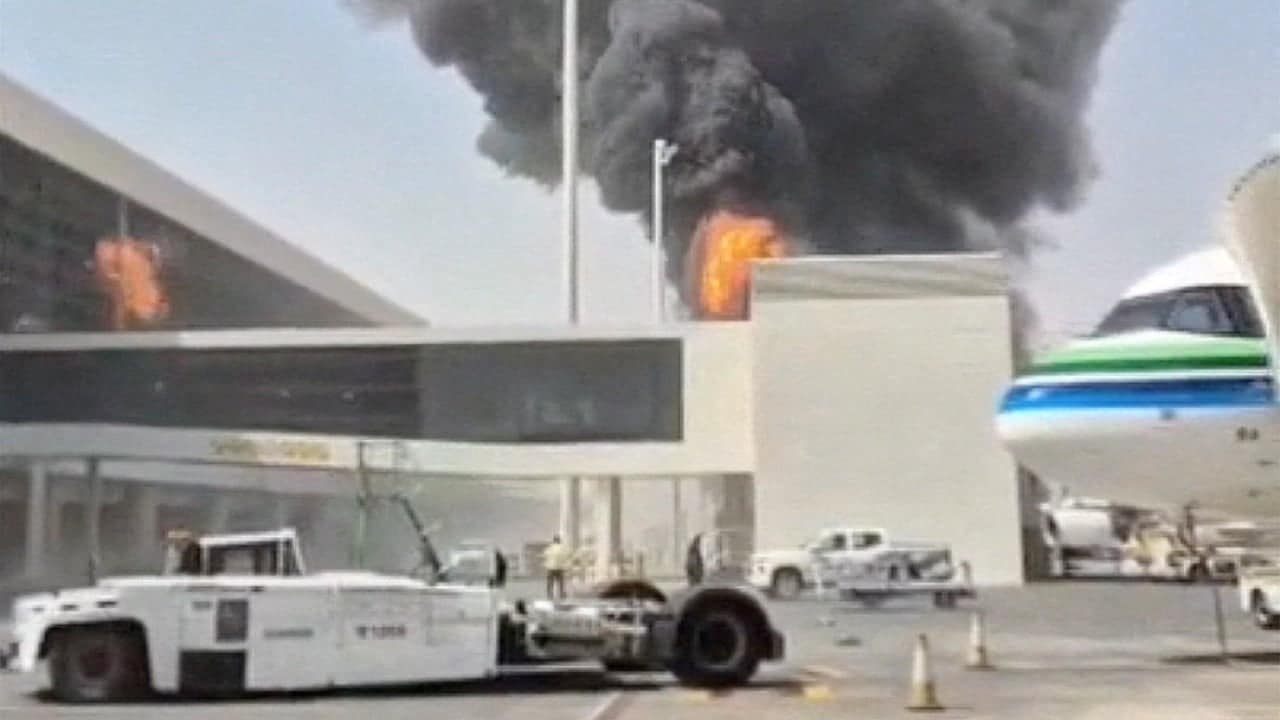
Beyond export disruptions, the war has caused substantial physical damage to energy infrastructure, with an estimated $58 billion in repairs needed. Qatar's liquefied natural gas industry has been particularly hard-hit, with QatarEnergy estimating up to five years for repairs at its Ras Laffan hub.
Diversification efforts in tourism, aviation, and logistics have also been damaged. Hotel occupancy in Dubai is expected to plummet, and Gulf airlines face financial pressure due to flight cancellations and increased jet fuel prices. Major ports like Jebel Ali have seen a significant drop in vessel traffic as carriers reroute.