Key facts
- China's President Xi Jinping proposed four principles for resolving African conflicts.
- The principles emphasize African leadership in peace processes.
- Respect for national sovereignty and the UN Charter is a key tenet.
- Dialogue and ceasefires are favored over military confrontation and sanctions.
- Addressing root causes of conflict through long-term development is also included.
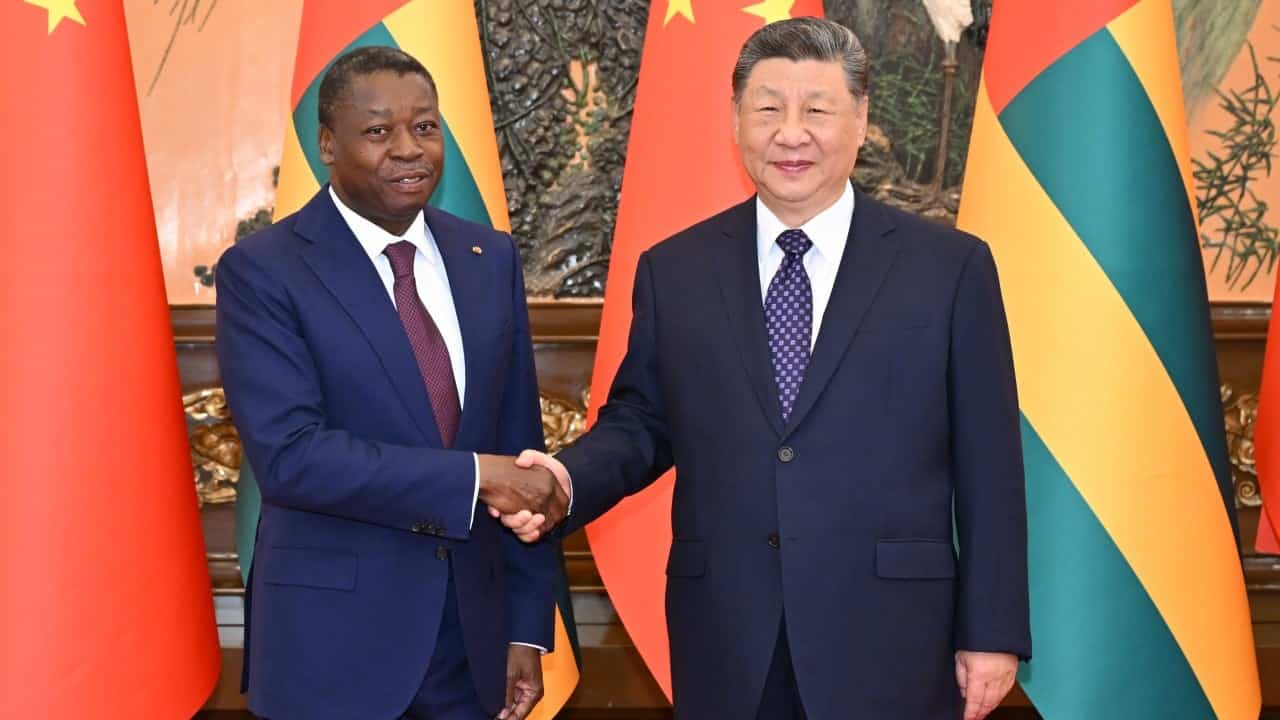
Chinese President Xi Jinping has proposed a four-principle framework for resolving conflicts in Africa, emphasizing African leadership, respect for sovereignty, peaceful dialogue, and sustainable development. Xi presented these principles during a meeting with Togolese President of the Council of Ministers Faure Essozimna Gnassingbé on October 13.
The first principle calls for African-led solutions, with African people and regional actors central to decision-making. The second principle stresses adherence to the UN Charter, national sovereignty, and territorial integrity. The third principle advocates for ending hostilities through dialogue and consultation, rejecting military confrontation and unilateral sanctions. The fourth principle focuses on addressing both immediate security threats and the underlying causes of instability through long-term development planning.
These remarks come amid ongoing security challenges in various African regions, including Sudan, the Great Lakes region, and the Horn of Africa. China has consistently advocated for African ownership in peace processes, aligning with efforts by the African Union and the United Nations.