Key facts
- October payrolls rose 165,000 against a Reuters poll forecast of 65,000, with estimates ranging from 35,000 to 125,000.
- The unemployment rate fell to 4.1% from 4.2% in September, the Bureau of Labor Statistics said.
- September payrolls were revised up to a 60,000 gain from a previously reported 29,000 increase.
- Fed funds futures priced about a 78% probability of a quarter-point December increase, against about 70% before the report, Reuters reported.
- The Fed left its benchmark overnight rate in the 3.75%-4.00% range last week, Reuters reported.
- Gross domestic product rose at a 3.4% annualized rate in the third quarter, the report said.
US nonfarm payrolls rose by 165,000 in October, the Labor Department's Bureau of Labor Statistics said on November 6, 2026, more than the 65,000 gain economists polled by Reuters had forecast. Estimates in the poll ranged from 35,000 to 125,000. The unemployment rate fell to 4.1% from 4.2% in September, and September payrolls were revised up to a 60,000 gain from a previously reported 29,000 increase.
Futures tied to the Fed's policy rate were pricing about a 78% probability of a quarter-point increase in December after the report, Reuters reported, up from about 70% before it. The Fed left its benchmark overnight interest rate in the 3.75%-4.00% range last week, Reuters reported, and economists expect a rate hike in December.
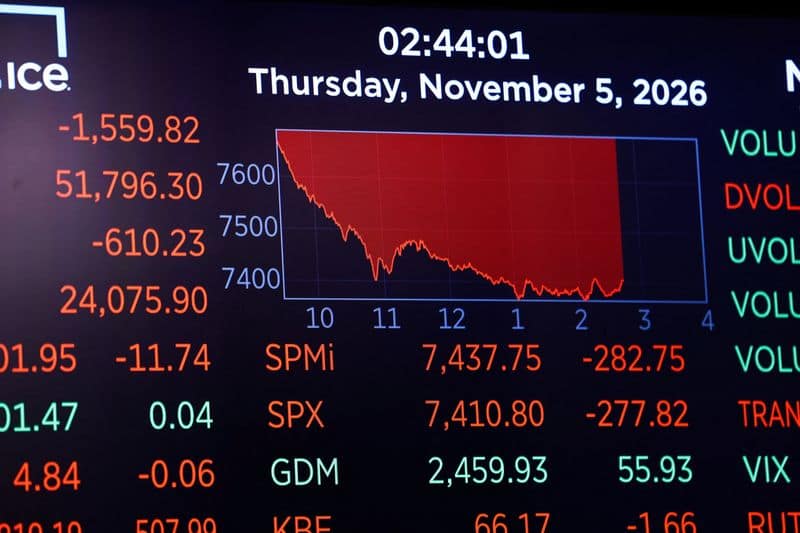
S&P 500 futures pared gains on November 6 after the data, which reinforced expectations the Fed could raise rates next month, Reuters reported. Economists estimated the economy needed to create at least 40,000 jobs a month to keep pace with growth in the working-age population, the report said, down from roughly 150,000 in 2024 because of a smaller labor force.
The report said historically low layoffs and a recent jump in job openings had raised the prospect of labor market tightening, while economists and US central bank officials have maintained the labor market poses no inflation risk. Gross domestic product rose at a 3.4% annualized rate in the third quarter, the report said, and job gains are lagging economic growth.
Economists cited overhiring after the COVID pandemic, uncertainty over staffing as businesses incorporated AI, and uncertainty from the US-Israel war with Iran, which the report said had raised energy prices. The report said the October consumer inflation report, due the following Tuesday, could offer more clues on monetary policy in early 2027.