Key facts
- Russia has officially acknowledged a fuel crisis due to intensifying Ukrainian drone strikes on its energy infrastructure.
- President Vladimir Putin met with officials and oil executives to discuss measures to stabilize fuel supply.
- The country is considering a full ban on diesel fuel exports and is using reserves to mitigate shortages.
- The Kapotnya refinery in Moscow suffered extensive damage and may not resume production until 2027.
- Ukraine continues its drone campaign, recently hitting refineries in the Krasnodar and Yaroslavl regions.
Russia has officially acknowledged a significant fuel shortage and crisis, a stark shift from earlier attempts to downplay the impact of Ukrainian drone strikes on its energy infrastructure. President Vladimir Putin convened a meeting with key government officials and executives from major oil companies to address the situation, which has led to long queues at gas stations and difficulties for businesses and agricultural producers.
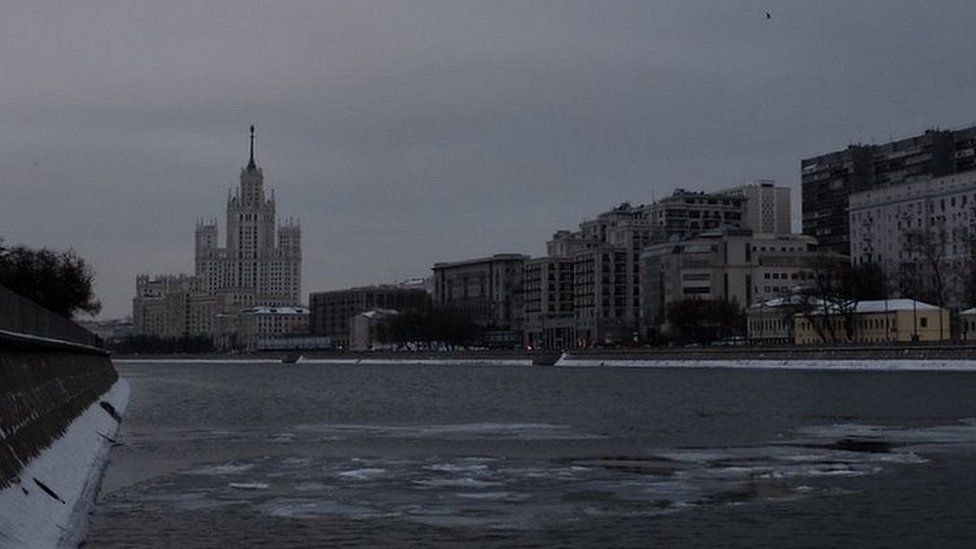
Putin stated that Russia is utilizing its fuel reserves, which have seen a 4% decline compared to the previous year, and is considering a complete ban on diesel fuel exports. The crisis has reached Moscow, with the Kapotnya refinery suffering extensive structural damage from Ukrainian drone attacks earlier this month, rendering it unlikely to resume production before 2027.
Ukraine has intensified its campaign against Russian refineries and fuel supply routes, with President Volodymyr Zelenskyy ordering further strikes. Recent attacks targeted refineries in the Krasnodar and Yaroslavl regions. Analysts note that these strikes, even around Moscow, demonstrate the effectiveness of Ukraine's long-range drones against Russia's air defenses, signaling a new phase in Kyiv's strategy to weaken Russia's war-fighting capabilities and increase the cost of the conflict.