Key facts
- Sanctioned Russian tankers became stuck in ice near the Vilkitsky Strait in July.
- Help from icebreakers was days away.
- The Northern Sea Route (NSR) is crucial for Russian oil and LNG exports.
- Russia aims to double NSR cargo volumes by 2030.
- About 20 million barrels of crude oil were shipped via NSR by mid-October.
- Western sanctions hinder Russia's ability to maintain Arctic infrastructure.
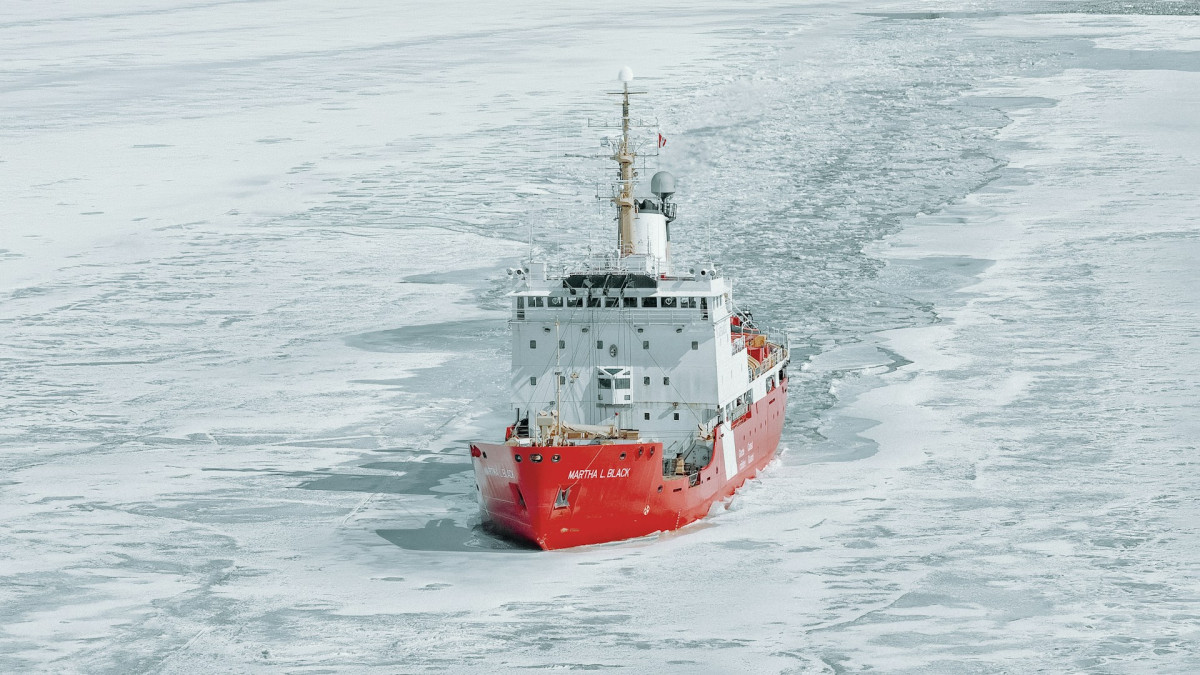
Sanctioned Russian tankers became stuck in ice near the Vilkitsky Strait in July, highlighting the navigational challenges of Russia's Northern Sea Route (NSR). The route, heavily invested in by the Kremlin, is intended to offer a shortcut to Asia, bypassing Western interdiction and Ukrainian drone threats. Despite record volumes of crude oil and LNG exports this year, the NSR is not always navigable, as demonstrated by the tankers' prolonged wait for icebreaker assistance.
Environmental groups caution that melting ice can break and pack into narrow straits, posing a significant risk to ships without ice-class capabilities. Russia's limited fleet of such vessels, coupled with Western sanctions that restrict access to spare parts and maintenance, hampers the route's development. Analysts note that while shipments have increased, they still represent a small fraction of Russia's total oil exports, with messaging largely aimed at internal audiences and partners like India and China.
Other nations, including South Korea and China, are also utilizing the NSR, though they too have encountered difficult conditions. Questions remain about Russia's management of the route, potential tolls, and its broader ambitions in the Arctic, which is increasingly viewed as a geopolitical front line.