Key facts
- Hungary has shut down its Paks Nuclear Power Plant, a critical source of electricity, due to record-low Danube River water levels.
- Romania detonated 180kg of explosives to blast rocks and reroute Danube water to its Cernavoda nuclear reactor.
- The Paks plant shutdown means Hungary loses 40% of its electricity generation capacity.
- Romania's Cernavoda reactor was already operating at reduced capacity due to the drought.
- Romanian car manufacturers Dacia and Ford have halted production to conserve energy.
- Hungary has implemented national energy-saving measures and is preparing emergency plans for industrial facilities.
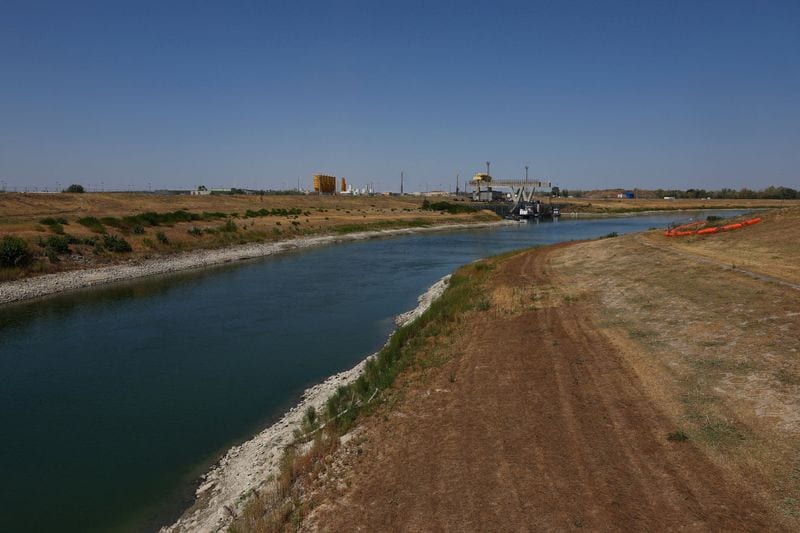
Hungary faces a critical energy crunch after shutting down its Paks Nuclear Power Plant, which supplies 40% of the nation's electricity, due to record-low water levels in the Danube River. Prime Minister Péter Magyar described the situation as the "most critical five days" ahead, urging citizens to conserve energy.
Romania has also taken drastic measures, detonating 180kg of explosives to blast rocks and reroute Danube water to its Cernavoda nuclear reactor, which had already reduced output. The drought has led to critically low river levels across Central Europe, impacting nuclear plant cooling systems.
In response to the looming energy crisis, Hungary has implemented national energy-saving measures, asking households and businesses to reduce consumption during peak hours. Authorities are also preparing emergency plans to temporarily restrict industrial facilities. Romania has seen car manufacturers Dacia and Ford halt production to lower electricity demand. The European Commission is closely monitoring the situation.