Key facts
- Senate Majority Leader John Thune stated the Clarity Act is unlikely to pass before the August recess.
- Missing the pre-recess deadline significantly reduces the bill's chances of enactment, potentially impacting 2026 passage.
- Key sticking points include ethics provisions concerning government officials and stablecoin yield products.
- A coalition of Democratic senators believes the current Republican draft falls short on consumer protection and market integrity.
- Ripple CEO Brad Garlinghouse and Coinbase CEO Brian Armstrong are advocating for the bill's passage.
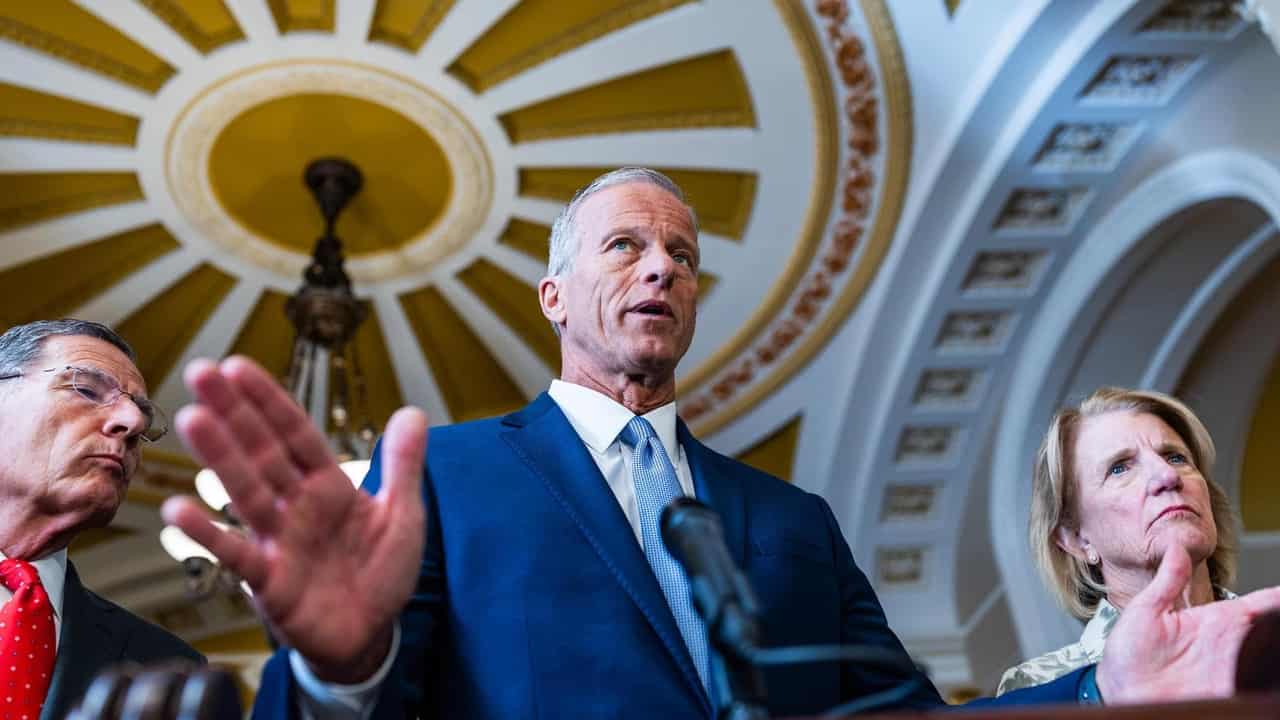
Senate Majority Leader John Thune has indicated that the Digital Asset Market Clarity Act is unlikely to pass before lawmakers begin their August recess, a development that significantly diminishes its prospects for enactment. Thune expressed uncertainty about completing the bill before the break, stating, 'I don’t think we’ll be able to get them done. I would like to at least get Clarity started. We’ll see where the votes are.'
The legislation, which aims to establish a regulatory framework for digital assets in the U.S., faces opposition from various political factions. A coalition of seven Democratic senators, led by Senator Angela Alsobrooks, has stated that the current Republican draft 'falls short' on consumer protection, illicit finance, market integrity, and conflicts of interest. Some Republican senators, including John Cornyn and John Curtis, have also raised concerns about provisions related to stablecoin yield products and safeguards for decentralized finance creators.
Despite these hurdles, Senator Cynthia Lummis, a negotiator for the Clarity Act, suggested that contentious sections could be revised to potentially garner Democratic support. The crypto industry, represented by Ripple CEO Brad Garlinghouse and Coinbase CEO Brian Armstrong, has been actively lobbying for the bill, viewing it as crucial for regulatory clarity and U.S. leadership in the digital asset space. Garlinghouse emphasized the need to avoid letting 'perfect be the enemy of good,' while Armstrong described it as a 'true bipartisan compromise.'
Missing the August deadline is seen as a significant setback, with Senator John Kennedy noting that it would shift the odds against the bill's passage. Thune's staff indicated that a bipartisan bill concerning sanctions on Russian leadership and tariffs for trading partners is now the priority for Senate floor time. The Senate is scheduled to return for a brief session in September, but election politics are expected to dominate attention.