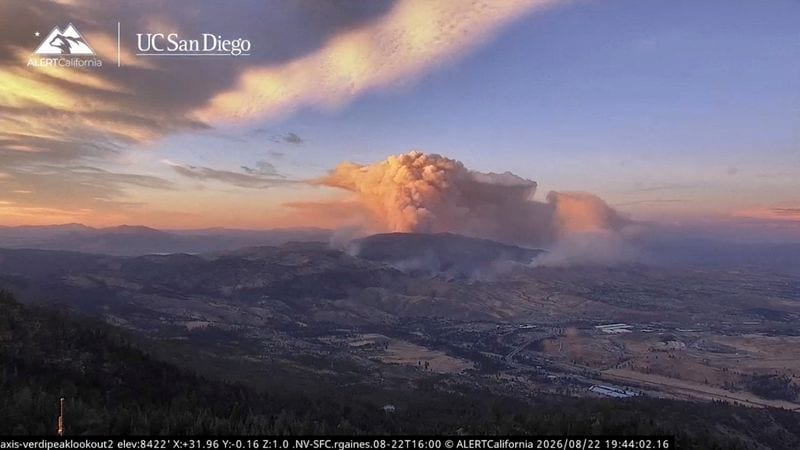
Reuters is implementing a rigorous visual verification process to combat the growing challenge of AI-generated and manipulated images and videos. As smartphones and social media flood the internet with content, the rise of sophisticated artificial intelligence capable of creating realistic fake or altered visuals presents a significant hurdle for journalism.
A dedicated team of Reuters journalists specializes in sifting through hundreds of photos and videos daily, aiming to validate a select dozen that depict real events accurately. This process is crucial for maintaining the integrity of news reporting, especially when eyewitness accounts are vital and journalists cannot be present everywhere.
The verification methods employed are multi-faceted. They include tracing the original source of the image or video, confirming their identity, and interviewing them about their experience. Metadata embedded in files, which can confirm the time, location, and device used, plays a key role. Journalists also cross-reference visual content with publicly available data such as weather reports, satellite imagery, and archival street views. Analyzing shadows can help determine the time of day a photo was taken.
Furthermore, Reuters utilizes several AI detection tools to identify signs of alteration or generation, though these tools are not infallible. The process culminates in a judgment call by experienced journalists, who must piece together the evidence like a puzzle before deeming an image publishable. This systematic approach is essential for distinguishing fact from fiction in an increasingly complex media landscape, aligning with Reuters' long-standing Trust Principles of providing unbiased and reliable news.