Key facts
- The Port of Los Angeles set a September volume record, handling 1.04 million TEUs.
- Loaded containers at the port reached a record nearly 547,000 TEUs in September.
- US container imports hit a monthly record of 2.55 million TEUs in September.
- Executive Director Gene Seroka cited holiday goods, Panama Canal restrictions, and reduced fuel costs as drivers.
- Lower tariffs have provided importers with more cost certainty, allowing for quicker inventory replenishment.
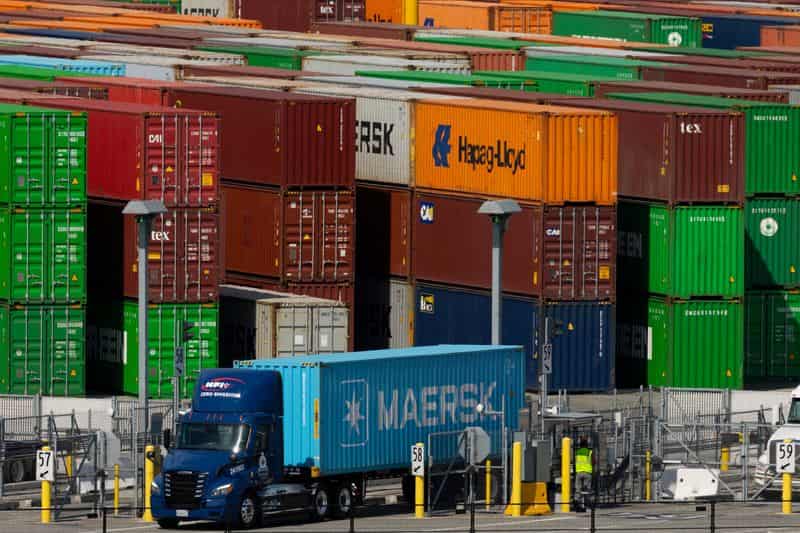
The Port of Los Angeles, the busiest container port in the United States, set a new monthly volume record in September, handling 1.04 million 20-foot equivalent units (TEUs). Executive Director Gene Seroka attributed the surge to the arrival of holiday goods, ships being rerouted from the Panama Canal due to drought, and importers choosing the shorter, more fuel-efficient route from China.
Loaded containers at the port also reached a record of nearly 547,000 TEUs in September. Overall US container imports hit a monthly record of 2.55 million TEUs, according to supply-chain technology provider Descartes Systems. Seroka noted that lower tariffs compared to earlier in the year have provided importers with greater cost certainty, enabling them to replenish inventories more quickly.
US consumers have continued to spend despite rising prices for necessities. Retailers, which account for about 50% of container volume, are projected by the National Retail Federation to achieve $5.6 trillion in total retail sales in 2026, a 4.4% increase from the previous year. Shipments related to artificial intelligence projects, including data center cooling components, are also experiencing strong demand.
However, not all ports have benefited equally from the increased demand. Seroka mentioned that some ships from Asia have shifted to the West Coast from the East Coast due to Panama Canal restrictions, highlighting the West Coast route as the fastest for trade with China. The Port of Los Angeles, spanning 7,500 acres, is currently handling more containers than during the COVID-19 shipping surge, but without the previous bottlenecks.
Looking ahead, Seroka anticipates the port will process approximately 900,000 TEUs in October, with most holiday merchandise expected to be in the country by November. He cautioned that potential changes to trade policy or announcements from Washington could reintroduce uncertainty.