Key facts
- Wroclaw's City Council adopted a resolution condemning hatred and violence based on nationality.
Wroclaw's City Council adopted a resolution condemning hatred and violence based on nationality following a series of attacks against Ukrainians. The measure aims to combat aggression and intolerance, with officials warning against rhetoric that could incite further violence.
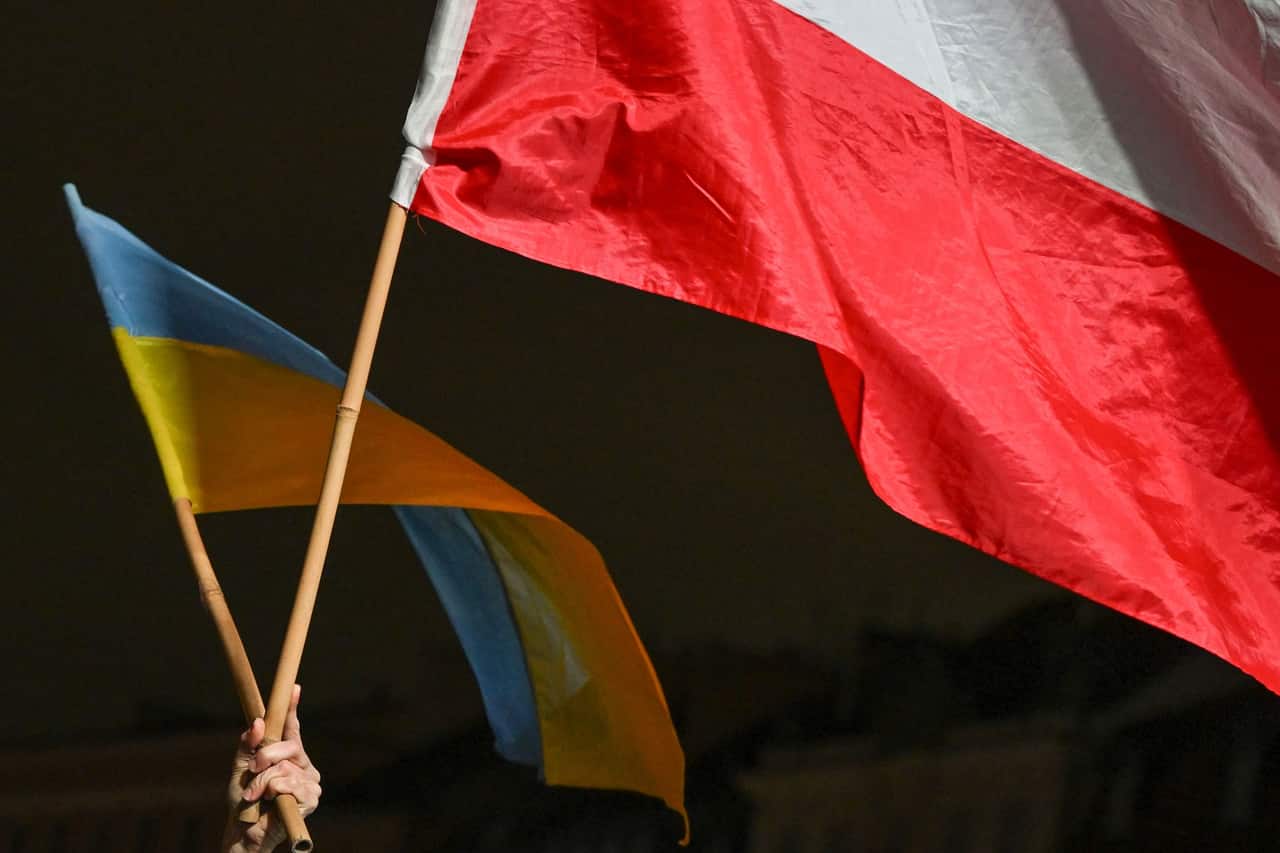
The resolution and subsequent debate highlight rising tensions and xenophobia affecting Ukrainian refugees in Poland, impacting social cohesion and bilateral relations amid ongoing geopolitical conflict.
Wroclaw's City Council has adopted a resolution condemning hatred and violence based on nationality, following a series of incidents targeting Ukrainians in Poland. The resolution asserts that there is no place in Wroclaw for attacks, humiliation, or intimidation based on origin, language, accent, or nationality, and pledges to actively combat aggression, hatred, and intolerance.
The measure comes in the wake of several high-profile incidents, including a physical assault on a Ukrainian couple in Wroclaw identified by police as nationality-based, and a separate incident where a man hurled insults at Ukrainian children in Bielsko-Biala. These events have fueled a broader debate, particularly after members of the opposition Law and Justice (PiS) party proposed an amendment suggesting that Ukrainian men of conscription age living in Poland should return to their home country.
Wrocław Deputy Mayor Ryszard Kessler strongly criticized this proposal, warning that such rhetoric could damage the reputation of both Wroclaw and Poland. Supporters of the resolution emphasized that political and historical disputes between Poland and Ukraine should not justify attacks against individuals, cautioning that framing entire groups as a "collective enemy" can incite hatred and violence.
Recent tensions between Poland and Ukraine have been exacerbated by disagreements over the legacy of the World War II-era Ukrainian Insurgent Army (UPA) and Ukraine's decision to name a military unit after it. According to Rzeczpospolita newspaper, Polish police recorded 180 reports of hate crimes against Ukrainians in the first half of 2026, marking an increase of over 30% compared to the same period last year. Poland currently hosts more than 900,000 Ukrainian refugees, representing the second-largest Ukrainian population in the European Union and Poland's largest ethnic minority.
Pick the topics you care about. Get only what matters, on your cadence.