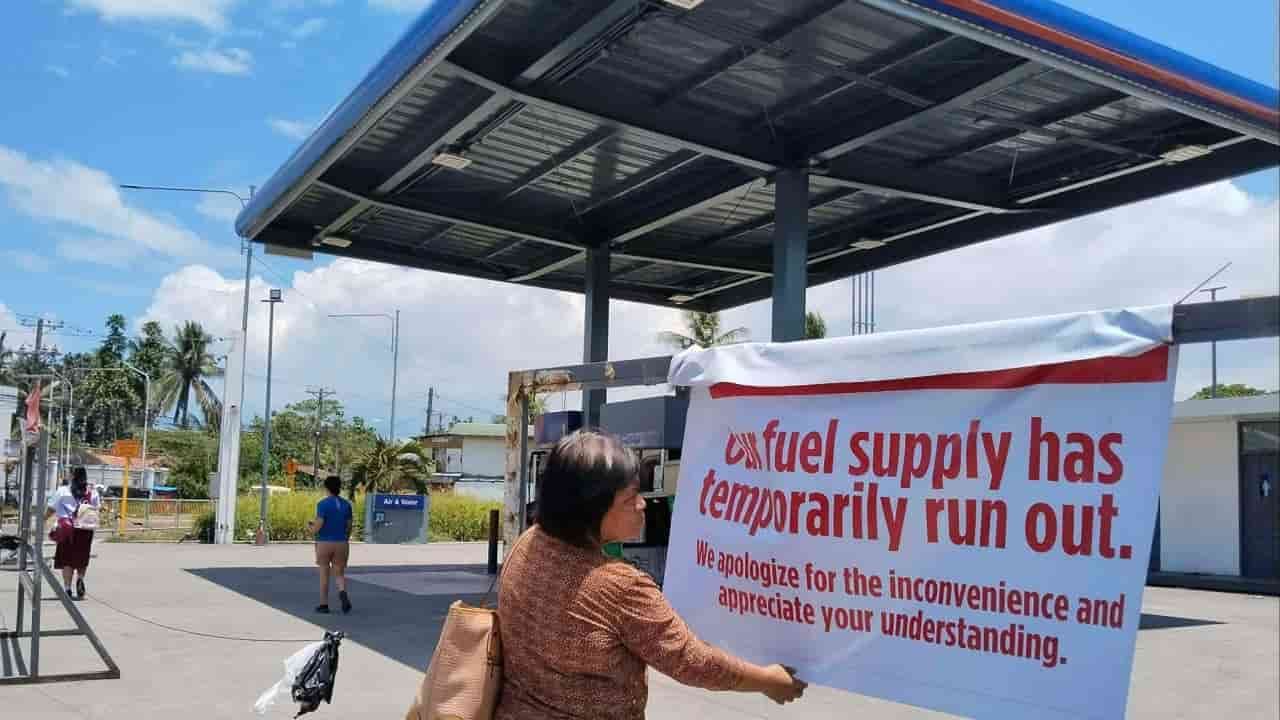
Key facts
- Philippines is seeking US assistance to build its oil stockpile.
- The move could deepen strategic military ties between the US and Philippines.
- Philippines faces energy security challenges and relies heavily on oil imports.
- US military operations in the region depend on reliable access to Philippine oil.
- The Luzon Economic Corridor initiative aims to boost infrastructure in the Philippines.
The Philippines is seeking to bolster its energy security by building an oil stockpile with assistance from the United States. This initiative is seen as a potential avenue for deepening strategic military ties between the two nations, particularly in the context of China's assertive actions in the South China Sea. Analysts suggest that a bilateral deal for an oil reserve could offer more immediate benefits than a broader ASEAN initiative, though questions remain about the speed and effectiveness of establishing such a reserve.
The U.S.-Philippine alliance has been revitalized, with expanded defense cooperation agreements and increased U.S. military financing. The Luzon Economic Corridor, a trilateral initiative with Japan, aims to accelerate infrastructure development in the Philippines. However, the Philippines faces challenges in asserting its strategic autonomy due to China's growing military power and its own energy import dependence.
The Philippines' energy fragility is considered a strategic vulnerability for the U.S. military, which relies on access to the country's oil for operations in the Pacific. The Philippines consumes a significant amount of oil daily and maintains a limited reserve, making it susceptible to disruptions that could impact U.S. deterrence efforts in the region, especially concerning Taiwan.