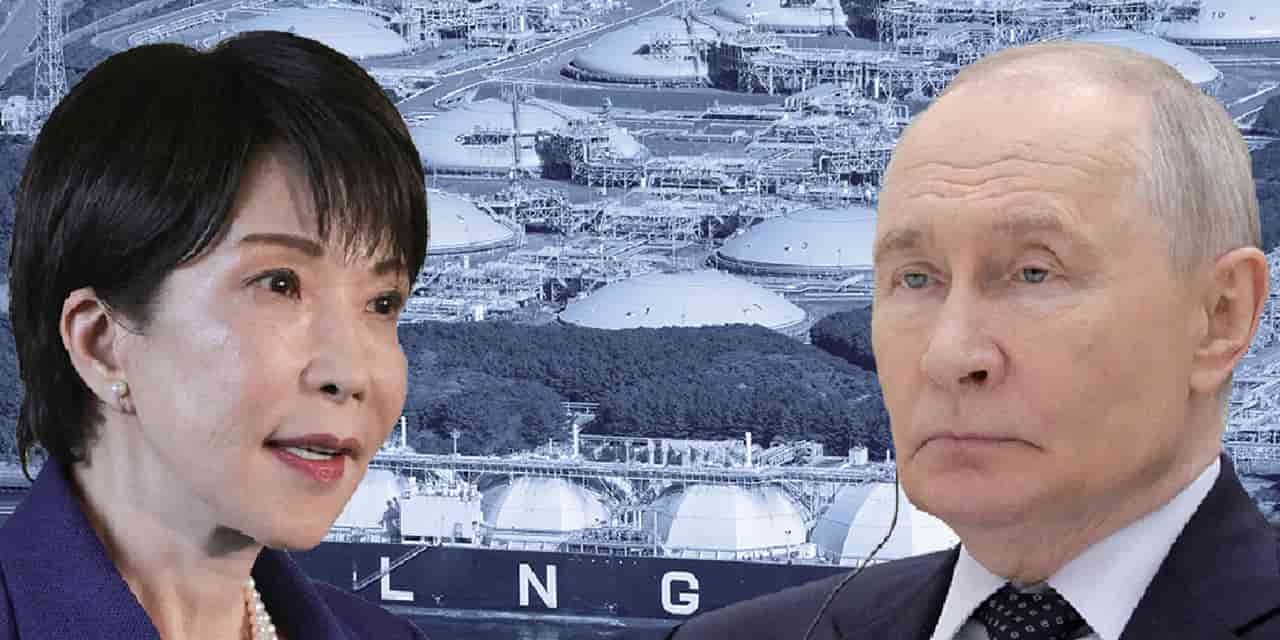
Key facts
- Japan's energy cooperation with Russia is seen as a path to advance relations.
- Sakhalin-2 LNG project is vital for Japan's energy security.
- Japan imports about 70% of its energy needs.
- Sakhalin-2 supplies roughly 9% of Japan's LNG imports.
Despite deteriorating diplomatic ties since Russia's 2022 invasion of Ukraine, Japan and Russia maintain a relationship largely built on energy trade. Japan, which imports about 70% of its energy needs, views cooperation on projects like the Sakhalin-2 LNG facility as crucial for its national energy security. This pragmatic approach allows Tokyo to align with G7 sanctions politically while maintaining vital energy imports, which account for approximately 9% of its LNG supply. The Sakhalin-2 project is particularly attractive due to its geographical proximity and integrated corporate planning, with current contracts extending for several more years. The Sakhalin projects have faced geopolitical uncertainty, with Moscow creating new operators for key facilities in 2022, requiring foreign stakeholders like Japan's Mitsui and Mitsubishi to reapply for their stakes. In December 2025, the US extended a waiver to its sanctions on Russia, allowing certain services related to Sakhalin-2 to continue until June 2026, enabling continued LNG flow to Japan.