All NewsEducationTVBrokers
Equities & FundsCrypto & Digital AssetsAI & TechnologyBusiness & CorporateUS Politics & PolicyGeopolitics & Global RiskMacro, Rates & FXCommodities & EnergyEuropean Politics & MarketsAsia-PacificReal Estate & Property
All NewsHome
← Back to Business & Corporate

Philippine Ube Yam Gains Traction in Japan's Food Market

Created at 30 Aug · 7:31 AM1 source↑ Market-relevant
IN SHORT

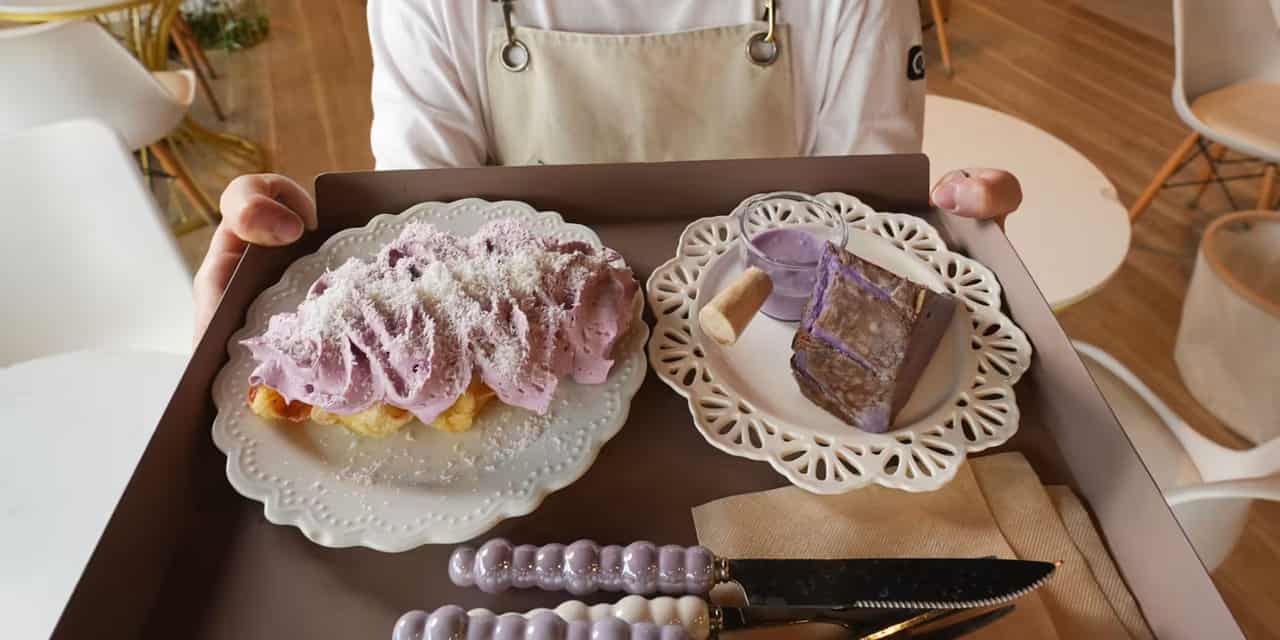
Ube, a purple yam native to the Philippines, is increasingly appearing on Japanese cafe menus, challenging matcha's popularity. Its distinct color, mild sweetness, and vanilla-like aroma are driving its appeal among consumers.

Who's Involved

Minamo Ito
Reporter for Nikkei Asia
Dayne Aduna
Associate Editor at VMAN Southeast Asia
Philippine Ube Yam Gains Traction in Japan's Food Market

↳ Why This Matters

The increasing popularity of ube in Japan signifies a growing global appreciation for diverse culinary traditions and ingredients beyond established trends like matcha. It highlights the potential for culturally significant foods to achieve mainstream international success.

Key facts

  • Ube, a purple yam from the Philippines, is becoming popular in Japanese cafes.
  • Its appeal is attributed to its color, mild sweetness, and vanilla-like aroma.
  • Ube is seen as a potential challenger to matcha's popularity in Japan.
  • The ingredient is appearing in various forms, including desserts, drinks, and baked goods.
  • Ube's global presence is expanding beyond the Philippines.

Ube, a purple yam indigenous to the Philippines, is making significant inroads into Japan's food scene, particularly in cafes. Its distinctive vibrant purple hue, coupled with a subtle sweetness and a hint of vanilla-like aroma, is capturing the attention of Japanese consumers and challenging the long-standing popularity of matcha.

Beyond its sensory appeal, ube's rise is also being fueled by its visual impact on social media platforms like Instagram and by fan culture, often referred to as 'oshi-katsu'. This trend is not confined to Japan; ube has been observed gaining global traction, appearing in various international markets in products such as donuts, lattes, mochi, and pancake mixes.

In the Philippines, ube is a deeply ingrained culinary staple, featured in traditional dishes like ube halaya (a jam) and halo-halo (a shaved ice dessert). While cultivated for centuries in Southeast Asia, its flavor and history were largely unknown outside Filipino communities until recently. Unlike matcha, which has a well-established global identity tied to Japanese tea ceremonies and wellness, ube's journey to mainstream recognition required context and storytelling to convey its unique taste and cultural heritage.

The growing international presence of ube signifies a shift where a traditional Southeast Asian ingredient is gaining global recognition for both its taste and its history, moving from the margins to the mainstream.

Frequently asked questions

Ube is a purple yam native to the Philippines, known for its sweet flavor and vibrant violet color. It is commonly used in Filipino desserts like ube halaya, halo-halo, and sweet breads.

Ube is naturally sweet with a soft flavor, while matcha is powdered green tea with a slightly bitter taste. Ube's rise is attributed to both its taste and cultural heritage, rather than wellness trends.

Ube is increasingly available in Western and European supermarkets, cafes, and bakeries, appearing in products like lattes, donuts, mochi, and pancake mixes.

Popular Filipino desserts include ube halaya (purple yam jam), halo-halo (shaved ice with toppings), and various sweet breads and pastries.

What Happens Next

01Ube's presence in Japanese cafes is expected to continue growing.
02Further expansion of ube-based products in global markets is anticipated.
CME Headlines
  • September 2026 Delivery Date Memo - Effective August 24, 2026
    24 Aug · 4:34 PM

How It Developed

Ube-based desserts and drinks are gaining prominence in Japanese cafes.
The ingredient's appeal stems from its vibrant purple color, mild sweetness, and vanilla-like aroma.
Ube is being positioned as a rival to matcha in Japan's flavor trends.
Its global rise is noted, with appearances in donuts, lattes, and supermarket products.
Ube's history and cultural significance are being highlighted as part of its appeal.

Sources

T1
A purple yam from the Philippines gives matcha a run for its money in JapanNikkei Asia
T2
Is Ube the New Matcha? The World Is Catching Up to the Purple Rushphiltimes.com.au
T2
Is Ube the New Matcha? The Filipino Purple Yam Goes Globalvman-sea.com

Related Stories

Tokyo brewer challenges sake's fixation on famous water
29 Aug · 11:36 PM
Target Chief Stores Officer Aims to Revitalize Retailer's Locations
29 Aug · 10:06 AM
Woman grows own dress from flax in bid to slow fashion
29 Aug · 11:06 AM
Legal battle over Hong Kong tycoon Lim Por-yen’s HK$2.9b estate set to rumble on
30 Aug · 4:06 AM