Philippine Government Websites Hacked, Raising Security and Investor Concerns
1 source↑ Market-relevant
IN SHORT
A series of hacks targeting major Philippine government websites, including the National Bureau of Investigation, Senate, and House of Representatives, has raised alarms about the country's cybersecurity and potential impact on investor confidence. The defacements, which posted messages denouncing corruption, highlight governance gaps.
Who's Involved
National Bureau of Investigation
Philippine investigative agency whose website was hacked
Senate
Philippine legislative body whose website was hacked
House of Representatives
Philippine legislative body whose website was hacked
Jonathan Ravelas
Managing Director of eManagement for Business and Marketing Services and retired chief market strategist of BDO
#HappyGoLuckyPh
Entity claiming responsibility for the NBI website defacement
↳ Why This Matters
Repeated cyberattacks on key government websites in the Philippines expose cybersecurity vulnerabilities and governance gaps, potentially eroding investor confidence and signaling institutional weakness.
Key facts
The National Bureau of Investigation's website was defaced over the weekend.
This is the third major Philippine government website to be compromised in under a week.
The Senate and House of Representatives websites were previously targeted.
The hacks involved posting messages denouncing government corruption.
Repeated breaches could negatively impact investor confidence by highlighting security and governance weaknesses.
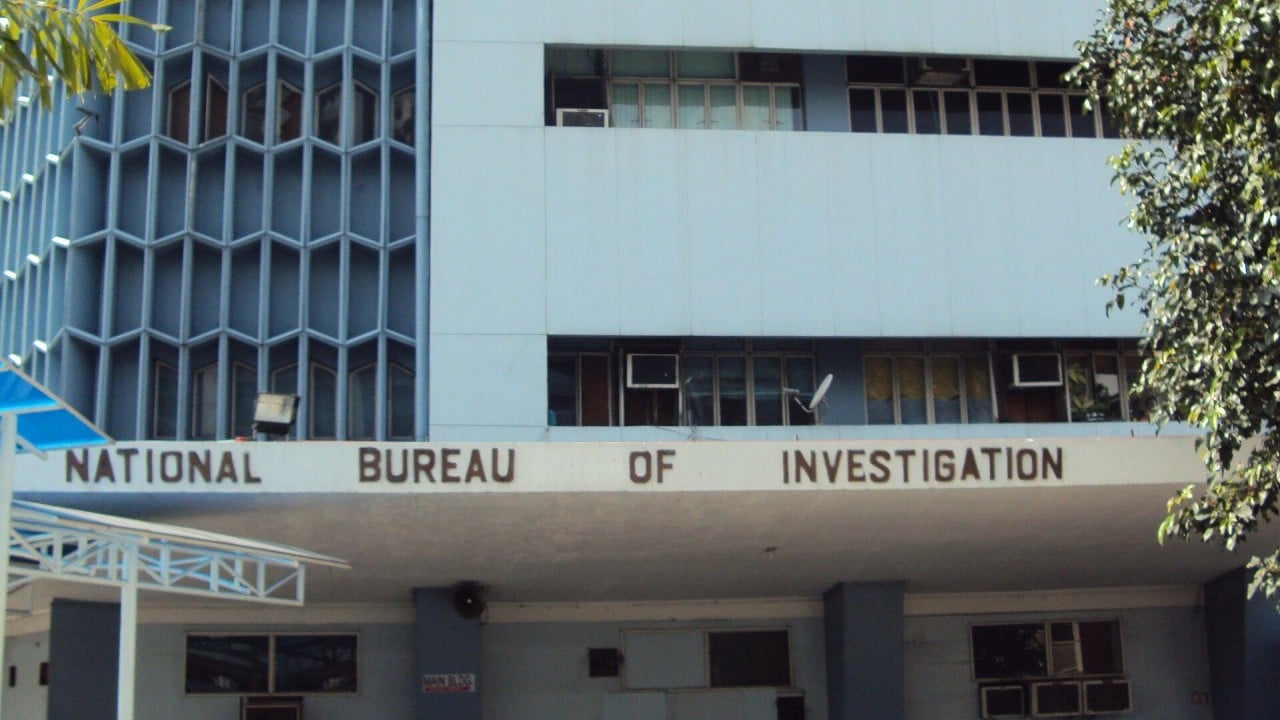
The National Bureau of Investigation's website was defaced over the weekend, marking an escalation in a series of attacks on Philippine government pages. The NBI's site became the third major state body's page to be compromised in less than a week, following similar attacks on the Senate's website on Wednesday and the House of Representatives' page on Saturday.
In each instance, intruders used the compromised sites to post messages denouncing government corruption. While the attacks appeared limited and short-lived, analysts suggest that repeated breaches of high-profile state websites could unsettle investors, even if no sensitive data was stolen.
Jonathan Ravelas, managing director of eManagement for Business and Marketing Services and a retired chief market strategist of BDO, stated that investors focus on risk rather than intentions. He noted that unauthorized access exposes gaps in cybersecurity and governance, and while a single incident might not significantly shake confidence, repeated breaches can erode perceptions of institutional strength.
The defacement of the NBI website was attributed to an entity calling itself #HappyGoLuckyPh, which posted a political message adapted from the film V for Vendetta: "the people should not be afraid of their government, government should be afraid of its people."
Frequently asked questions
The websites of the National Bureau of Investigation, the Senate, and the House of Representatives have been compromised in recent attacks.
The intruders posted messages denouncing government corruption, with one message adapted from the film V for Vendetta.
The defacement of the NBI website was attributed to an entity calling itself #HappyGoLuckyPh.
Analysts suggest that repeated breaches could unsettle investors by exposing cybersecurity and governance gaps, potentially eroding perceptions of institutional strength.
What Happens Next
01Further assessment of the government's cybersecurity measures.
02Potential investor reactions to the ongoing security breaches.
✉Newsletter
Pick the topics you care about. Get only what matters, on your cadence.
How It Developed
The National Bureau of Investigation's website was defaced.
This marked the third major state body's website compromised in less than a week.
Previous attacks targeted the Senate and House of Representatives websites.
Intruders posted messages denouncing government corruption on the compromised sites.
Analysts warned that repeated breaches could unsettle investors by exposing cybersecurity and governance gaps.