Key facts
- Pennsylvania's Supreme Court ruled that 'skill games' are illegal slot machines.
- The court rejected the argument that bonus rounds allow players to influence outcomes.
- The 2026-27 state budget omitted any regulatory or tax framework for skill games.
- Skill games face a potential shutdown on October 28, 2026, if no legislative action is taken.
- Casinos argue skill games compete with their highly taxed slot operations.
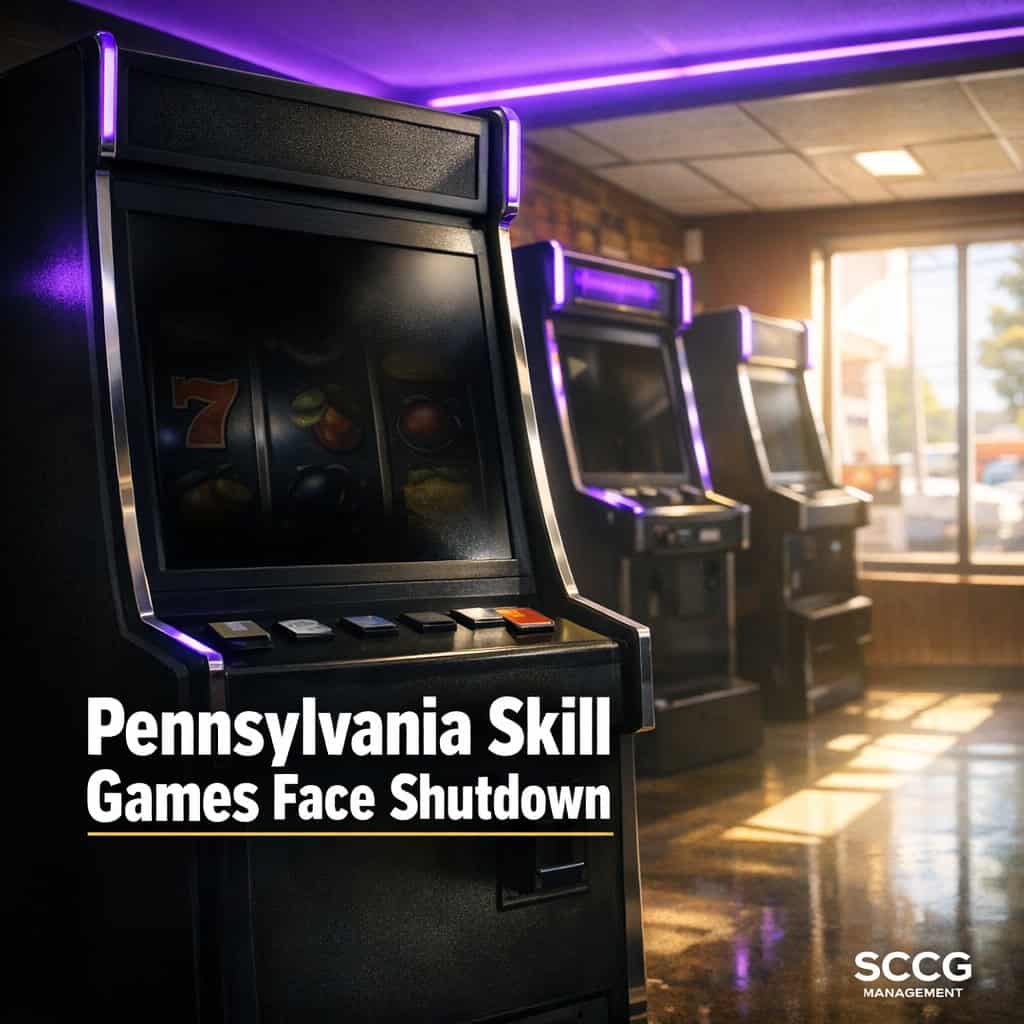
Pennsylvania's Supreme Court has declared 'skill games' illegal slot machines, potentially forcing thousands of these devices offline by October 28, 2026. The ruling, which rejected claims that bonus rounds allow players to influence outcomes, leaves the future of the games uncertain, especially after the state's 2026-27 budget omitted any regulatory or tax framework for them.
The court's decision means skill games are now subject to the same restrictions as those in licensed casinos, removing a legal gray area that had permitted their operation for nearly a decade. The court imposed a 120-day stay, providing a narrow window for lawmakers to act before the shutdown deadline.
Small businesses that rely on skill games for revenue argue they have been crucial for survival through the COVID-19 pandemic and subsequent inflation. However, casinos contend that these unregulated machines cannibalize their highly taxed slot revenue, which faces a significant 55 percent tax rate. Retail casino slot revenue has seen a slight decline, with casinos linking some of this decrease to competition from skill games.
Legislative efforts, such as House Bill 2557 and Senate Bill 1079, aim to provide a pathway for legalization, but they have not yet cleared committee assignments. The legislative session continues through November 30, 2026, leaving a narrow window for potential action.