Key facts
- Malaysia will restore subsidized petrol (RON95) purchase quotas to 300 liters per month for citizens.
- Diesel purchase quotas for certain users will be raised to 400 liters per month.
- A government AI program will offer free access to applications like Google's Gemini Enterprise and Alibaba Cloud's Wonderclip and MuleRun.
- The revenue threshold for e-invoicing exemption will increase to 3 million ringgit annually.
- Funds seized from anti-corruption proceedings will be channeled into education and healthcare programs.
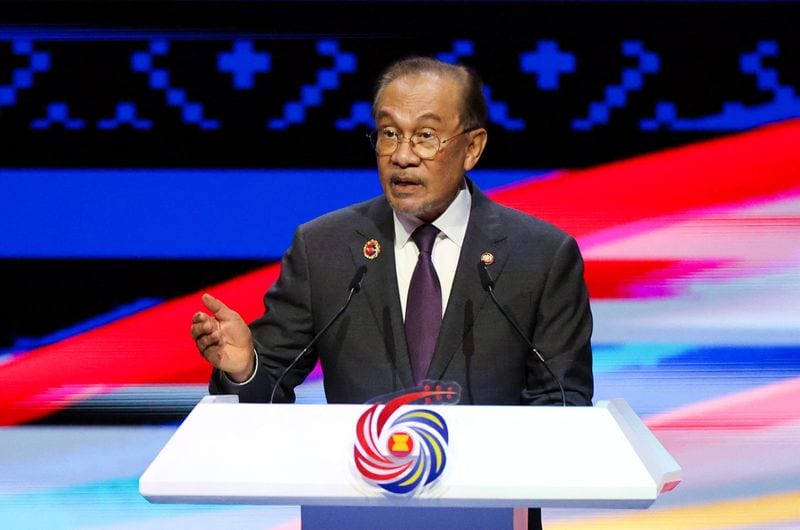
Kuala Lumpur, Malaysia – Prime Minister Anwar Ibrahim announced a series of measures aimed at alleviating the rising cost of living and bolstering local businesses. These initiatives, effective September 1, include restoring higher quotas for subsidized petrol and diesel purchases for Malaysian citizens and specific user categories.
In a televised address, Anwar stated that the government would increase the monthly quota for RON95 petrol purchases to 300 liters for citizens, up from the previous 200 liters. Similarly, diesel purchase quotas for certain users will be raised to 400 liters per month. These adjustments come amid pressure on Anwar to address economic concerns, despite Malaysia's strong economic growth of 6% in the second quarter.
Beyond fuel subsidies, the Prime Minister unveiled a government artificial intelligence program targeting Malaysians aged 18 to 30, offering free access to applications such as Google's Gemini Enterprise and Alibaba Cloud's Wonderclip and MuleRun. Additional funding will be directed towards school maintenance, digital health systems, and micro-financing for small businesses. The revenue threshold for companies to be exempt from implementing e-invoicing will also be raised to 3 million ringgit annually.
Anwar also indicated that any funds seized or forfeited from anti-corruption legal proceedings would be channeled into government programs, particularly in education and healthcare. The Prime Minister's coalition has faced declining public support, with recent regional election defeats highlighting concerns over reform delivery and the handling of corruption cases.