Key facts
- Oil prices declined on Tuesday.
- Brent crude futures fell 1.2% to $105.35 a barrel.
- US WTI futures fell 1.3% to $92.49 a barrel.
- Traders are assessing supply risks from attacks on Saudi Arabia.
- Prospects of additional diesel supplies from Russia are being considered.
- Concerns over the vulnerability of Gulf energy infrastructure and shipping lanes remain.
Oil prices fell on Tuesday, with Brent crude futures declining 1.2% to $105.35 a barrel and US West Texas Intermediate (WTI) futures down 1.3% at $92.49 a barrel. Traders are evaluating supply risks stemming from attacks on Saudi Arabia while also considering the potential for increased diesel supplies from Russia.
US President Donald Trump stated that Russia had agreed to supply diesel to global markets, and his administration had temporarily lifted US sanctions on Russian fuel. This prospect of additional supplies could help ease tightness in global fuel markets, potentially tempering recent support for crude prices. However, ING analysts expressed skepticism regarding a Russia-Ukraine energy ceasefire, citing reports of Russian attacks on Ukrainian energy targets following Trump's announcement.
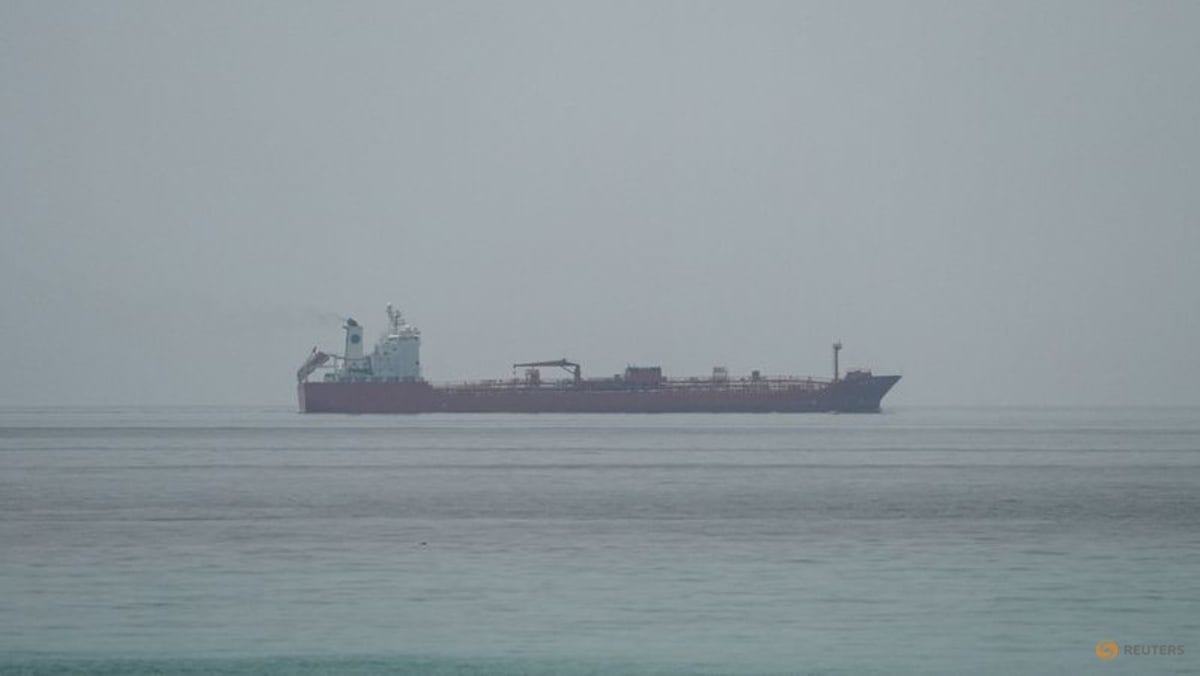
Concerns about the vulnerability of energy infrastructure and shipping lanes in the Gulf persist. This follows attacks on Saudi Arabia's international airport by Iran-aligned Houthis and reported tanker attacks near the Strait of Hormuz. These incidents threaten to disrupt the recovery in Middle East supplies observed in September and reinforce fears of further disruptions along crucial energy transit routes.
Tim Waterer, chief analyst at KCM Trade, noted that while fresh diesel supply from Russia and steadier Saudi flows offer some relief, the market remains more concerned about potential further attacks on ships or pipelines in the Gulf than reassured by additional barrels. He suggested that without clearer signs of de-escalation, prices are likely to trend higher.