Key facts
- North Korea tested an upgraded 240mm multiple rocket launcher system on Tuesday.
- The system is equipped with an autonomous pinpoint guide system.
- Rockets can strike targets 100 km away in trajectory mode and 115 km away in glide mode.
- North Korea rejected an international call to halt nuclear tests, calling it a provocation by hostile forces.
- North Korea's nuclear weapons status is irreversible, according to Foreign Minister Choe Son Hui.
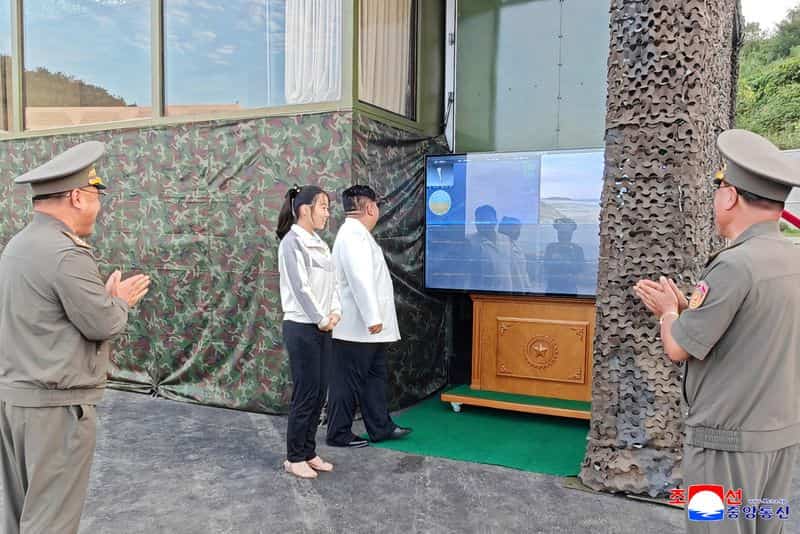
North Korea announced on Thursday that it had test-fired shells for an upgraded 240mm multiple rocket launcher system, a move aimed at enhancing its strike capabilities along the border with South Korea. The test, conducted on Tuesday, is part of a five-year plan to modernize the country's artillery and missile forces.
According to the Korean Central News Agency (KCNA), the rockets are equipped with an "autonomous pinpoint guide system" and can strike targets up to 100 kilometers away in trajectory flight mode and 115 kilometers away in a combined glide mode. Military officials overseeing the test indicated that the development of these range-extended rockets would significantly alter the firepower readiness along the southern border.
Pak Jong-chon, vice chairman of the Central Military Commission of the ruling Workers' Party, emphasized the necessity of concentrating "deadliest and destructive attack forces on the southern border" and ensuring that the enemy is aware of the replacement of all long-range strike means with the latest ones.
Separately, North Korea's foreign ministry on Thursday rejected an international statement urging it to halt nuclear tests, with a spokesperson calling it "a grave political provocation against our state" by "hostile forces." The meeting of ministers from the Friends of the Comprehensive Nuclear-Test-Ban Treaty urged Pyongyang to fully comply with all relevant United Nations Security Council resolutions. The spokesperson described North Korea as a responsible nuclear-armed state. Foreign Minister Choe Son Hui also stated that Pyongyang's nuclear weapons status is irreversible, responding to a meeting between the United States, South Korea, and Japan reaffirming their commitment to denuclearization.