Key facts
- Nissan is shortening new vehicle development cycles by standardizing components and software.
Nissan Motor is implementing a strategy to shorten new vehicle development times by standardizing powertrains, frameworks, and software across multiple models. This move aims to improve profitability and competitiveness against rivals who are rapidly introducing new vehicles.
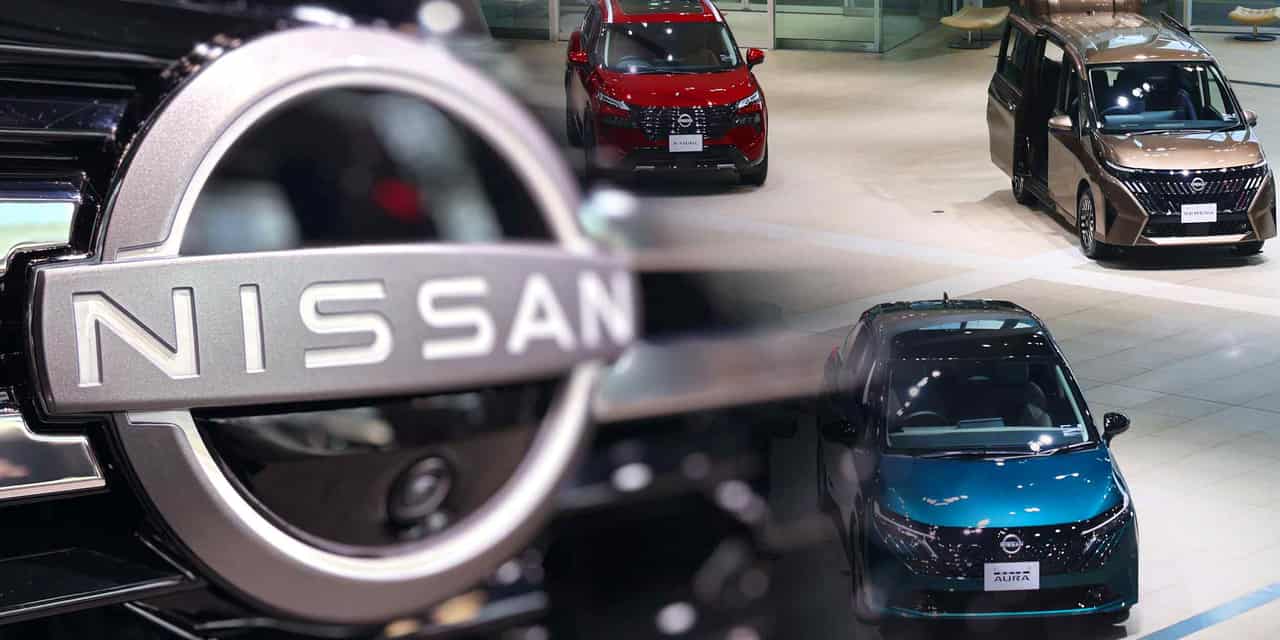
Nissan's strategic overhaul aims to address declining profitability and market share by accelerating product development and focusing resources on core and growth areas, potentially revitalizing its competitive position in the global automotive market.
Nissan Motor is undertaking a significant strategic shift to accelerate its new vehicle development and streamline its product portfolio, aiming to enhance profitability and competitiveness. The automaker is adopting a common development approach, standardizing powertrains, basic frameworks, and software technologies across multiple models to shorten the time it takes to bring new cars to market, a move prompted by the rapid pace of development seen from Chinese rivals.
This strategy is part of Nissan's long-term vision, "Mobility Intelligence for Everyday Life," which prioritizes customer experience and integrates AI into its vehicles. The company plans to reduce its global lineup from 56 to 45 models, exiting underperforming vehicles and reallocating resources to growth areas. These models will be categorized into four roles: Heartbeat, Core, Growth, and Partner, with an emphasis on increasing volume per model.
Artificial intelligence is central to Nissan's technological advancements, with the development of AI-Defined Vehicles (AIDV) that combine Nissan AI Drive Technology and Nissan AI Partner technology. The company aims to deploy AI Drive technology across 90% of its lineup over the long term. The upcoming Nissan Elgrand, scheduled for launch in summer 2026, will feature next-generation ProPILOT with end-to-end autonomous capability by the end of fiscal 2027.
Nissan is also committed to a diversified electrification strategy, extending its e-POWER series hybrid technology and offering a broader range of electrified powertrains, including new hybrid electric vehicle (HEV) systems for future frame-based vehicles, as well as plug-in hybrid and range-extender hybrid solutions through partnerships. This approach aims to meet diverse customer needs globally and provide a natural bridge to fully electric vehicles.
Pick the topics you care about. Get only what matters, on your cadence.