Key facts
- Nigerian kidnappers collected approximately $5.8 million in ransom payments in the past year.
- Over 7,800 people were kidnapped between July 2025 and June 2026.
- At least 1,142 people were killed during these abductions.
- A faction of Boko Haram accounted for 90% of recorded ransom payments.
- Kidnappings increased by 66% from the previous year.
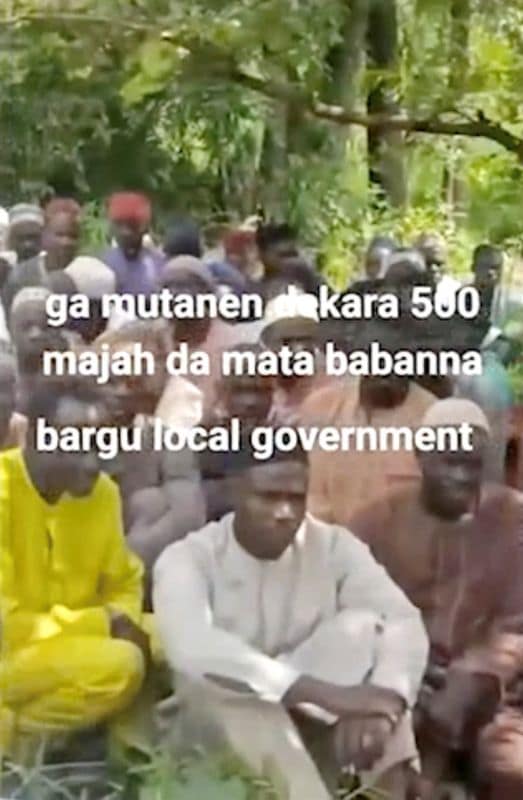
Kidnappers in Nigeria collected more than $5 million in ransom payments over the last year, with 7,825 people kidnapped and 1,142 killed, according to a report by SBM Intelligence. The security consultancy stated that 7.78 billion naira ($5.8 million) was paid for the release of individuals between July 2025 and June 2026, marking a 66% increase in kidnappings from the previous year. A faction of the Islamist group Boko Haram was responsible for 90% of the recorded ransom payments, primarily from mass incidents in the northeast, though the northwest region saw more incidents and victims overall. The findings were released as Nigerian President Bola Tinubu ordered security forces to rescue approximately 600 civilians kidnapped in Niger State. The report highlighted the resurgence of school abductions, citing an incident in November where 315 pupils and staff were seized from a school in Papiri, Niger state. Analysts suggest that President Tinubu's pledge to tackle insecurity has not yielded tangible progress, and without a coordinated strategy, Nigeria risks normalizing kidnapping as a funding mechanism for groups threatening its stability. The United States and Nigeria have formed a military partnership to address the country’s multifaceted security crisis, with U.S. troops deployed to advise the Nigerian military and drones deployed.